Border Officials See Dividends from Trumps Mexico Deal
On the border officials see dividends from trumps deal with mexico – The Trump-Mexico Agreement, a landmark deal that reshaped US-Mexico relations, has had a profound impact on the lives of border officials. This agreement, signed in 2019, aimed to address concerns about immigration, border security, and trade. While the agreement has been met with mixed reactions, it has undeniably led to significant changes in the daily routines and responsibilities of those who patrol the border.
One of the most notable effects of the agreement has been the increased emphasis on border security. The deal led to the deployment of additional resources, including personnel and technology, to strengthen border enforcement. This has resulted in a more robust presence of border officials, increased scrutiny of individuals attempting to cross the border, and a shift in focus towards deterring illegal immigration.
The Trump-Mexico Agreement
The Trump-Mexico Agreement, officially known as the United States-Mexico-Canada Agreement (USMCA), was signed in 2018 and replaced the North American Free Trade Agreement (NAFTA) that had been in place since 1994. This agreement aimed to modernize trade relations between the three North American countries, addressing concerns raised by the Trump administration regarding NAFTA’s impact on the US economy.
While border officials are celebrating the positive impact of Trump’s deal with Mexico, the news that Musk confirms Tesla’s plans to build a lithium refinery in Texas is also creating a buzz. This move could potentially lead to a surge in domestic lithium production, further boosting the economy and creating new jobs, making the future look even brighter for the region.
Key Terms and Provisions
The USMCA aimed to address concerns raised by the Trump administration about NAFTA’s impact on the US economy. It included provisions related to trade in goods, services, and intellectual property, as well as labor and environmental standards. Some of the key provisions of the agreement included:
- Increased access to the US market for Canadian and Mexican dairy products: The agreement aimed to increase access to the US market for Canadian and Mexican dairy products, a move that was seen as a victory for the US dairy industry.
- New rules for automotive manufacturing: The USMCA established new rules for automotive manufacturing, requiring a higher percentage of vehicles to be manufactured in North America with higher wages for workers. This was aimed at incentivizing US manufacturing and protecting American jobs.
- Stronger enforcement of labor and environmental standards: The agreement included stronger enforcement mechanisms for labor and environmental standards, addressing concerns about unfair competition from Mexico and Canada.
- Digital trade provisions: The USMCA included provisions on digital trade, addressing issues such as data privacy and e-commerce.
Political and Economic Motivations
The Trump administration’s decision to renegotiate NAFTA was driven by a number of factors, including concerns about the trade deficit with Mexico and Canada, the perceived loss of US manufacturing jobs, and the desire to strengthen the US economy.
It’s been fascinating to see the impact of Trump’s deal with Mexico on border security, but with news of Hurricane Ian strengthening to an extremely dangerous Category 4 as Florida braces for impact , it’s a stark reminder that some challenges transcend political boundaries. While border officials are celebrating successes, the human cost of natural disasters remains a stark reality, forcing us to prioritize safety and support for those in need.
- Reducing the trade deficit: The Trump administration argued that NAFTA had led to a significant trade deficit with Mexico and Canada, which they believed was detrimental to the US economy. The agreement aimed to reduce this deficit by increasing US exports and decreasing imports.
- Protecting US jobs: The Trump administration claimed that NAFTA had led to the loss of US manufacturing jobs, as companies moved production to Mexico and Canada to take advantage of lower labor costs. The USMCA aimed to protect US jobs by increasing the percentage of vehicles manufactured in North America and requiring higher wages for workers.
- Strengthening the US economy: The Trump administration believed that the USMCA would strengthen the US economy by creating new jobs, increasing exports, and reducing the trade deficit.
Reactions of the US and Mexican Governments and the Public
The USMCA was met with mixed reactions from both the US and Mexican governments and the public.
- US government: The Trump administration hailed the agreement as a victory for American workers and businesses, arguing that it would create jobs and boost the US economy.
- Mexican government: The Mexican government initially expressed concerns about some of the provisions of the agreement, but ultimately agreed to sign it.
- Public reaction: Public opinion in both the US and Mexico was divided on the agreement. Some supported the agreement, arguing that it would benefit the economy, while others opposed it, arguing that it would not address the concerns raised by the Trump administration.
Border Security and Enforcement
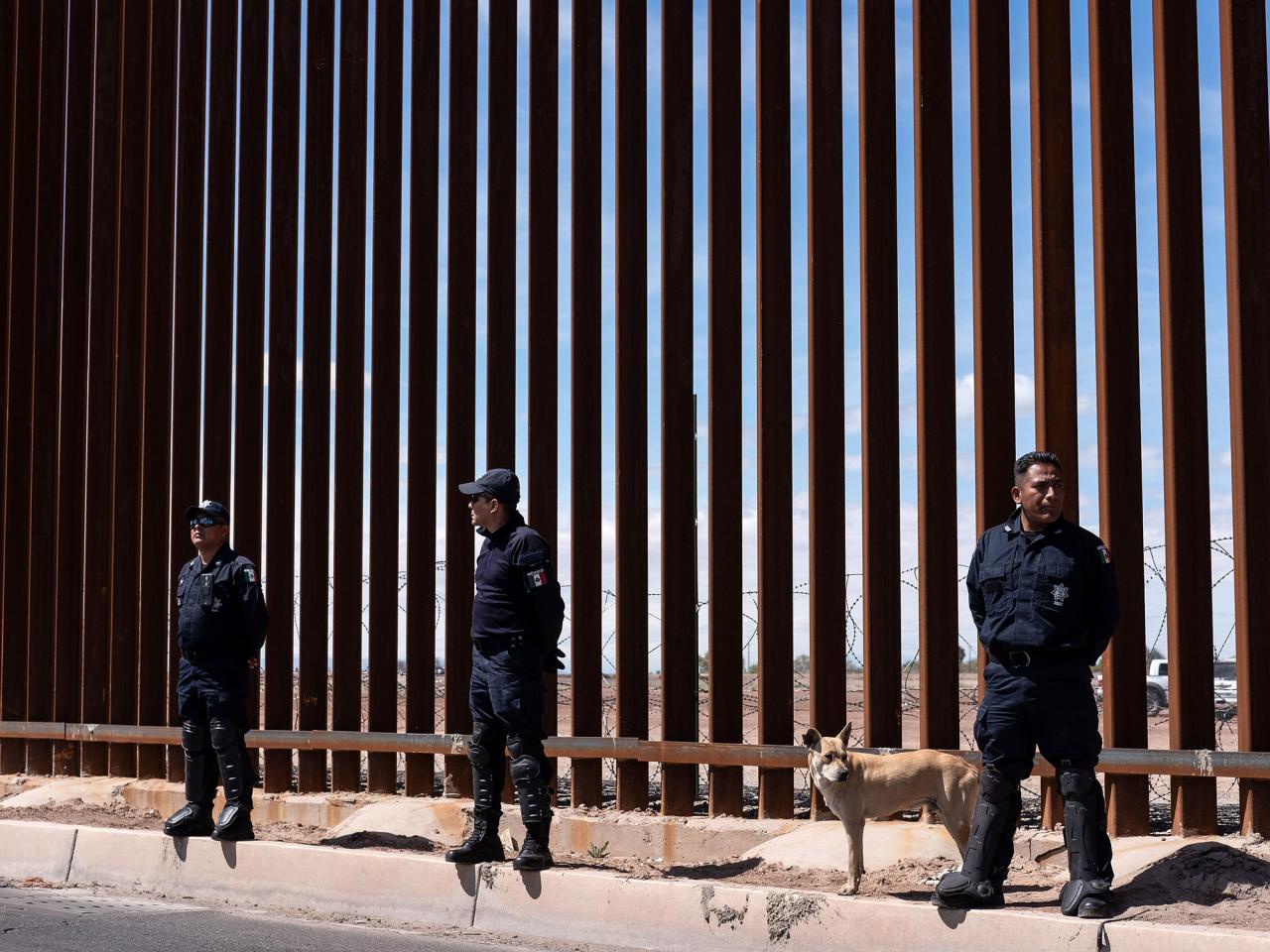
The Trump-Mexico Agreement significantly impacted border security measures and enforcement, placing a heavy burden on border officials. This agreement aimed to curb illegal immigration and strengthen border security through a combination of increased enforcement, economic incentives, and diplomatic pressure.
Changes in Border Security Measures
The agreement resulted in several changes to border security measures, including:
- Increased Border Patrol Agents: The Trump administration significantly increased the number of Border Patrol agents deployed along the U.S.-Mexico border, bolstering the agency’s presence and capacity to apprehend migrants.
- Enhanced Technology: The agreement facilitated the deployment of advanced technology, such as surveillance drones, sensors, and cameras, to monitor border activity and detect illegal crossings.
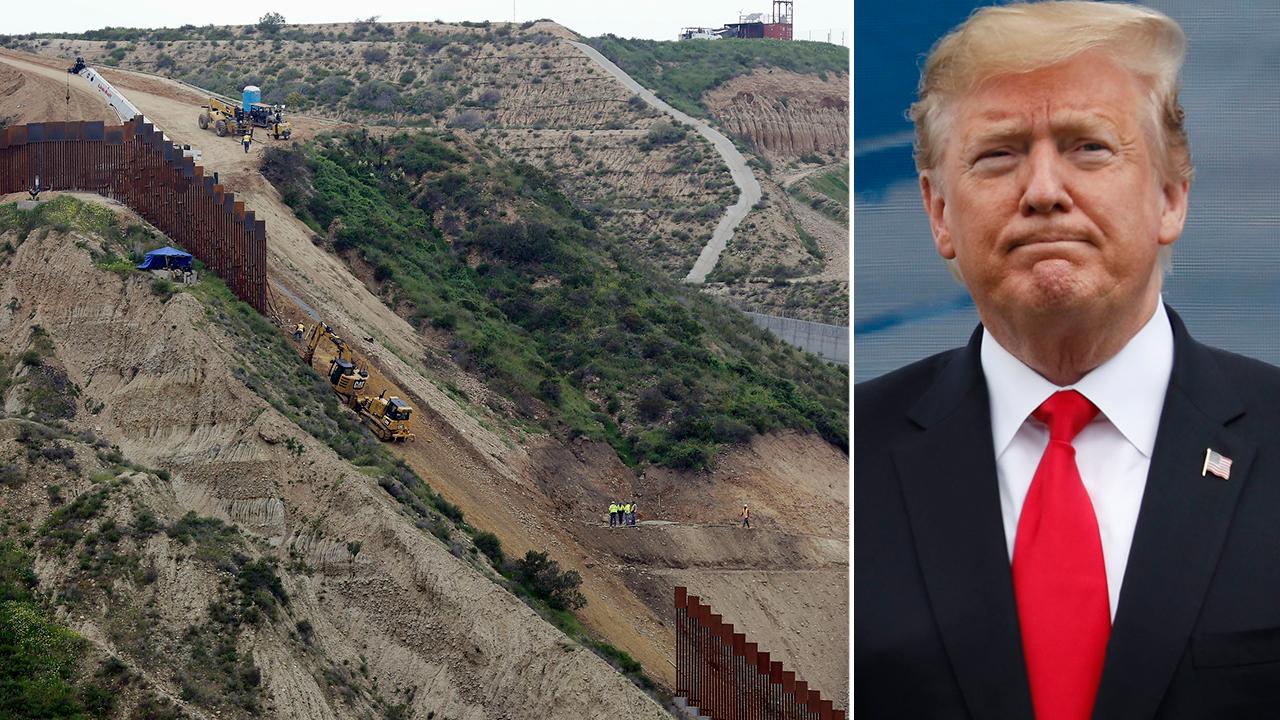
- Expansion of Barriers: The agreement led to the construction of additional miles of border wall, particularly in high-traffic areas, aiming to deter illegal crossings and channel migrants to designated ports of entry.
- Increased Enforcement of Immigration Laws: The agreement intensified the enforcement of immigration laws, resulting in increased apprehensions, detentions, and deportations of undocumented immigrants.
Challenges Faced by Border Officials
Enforcing the agreement presented several challenges for border officials:
- Increased Workload: The influx of migrants and heightened enforcement measures led to an increased workload for border officials, stretching resources and potentially affecting their ability to adequately address all aspects of border security.
- Limited Resources: Despite the increased funding for border security, resources often remained limited, particularly in areas with high migration flows. This could lead to logistical challenges and potential compromises in security measures.
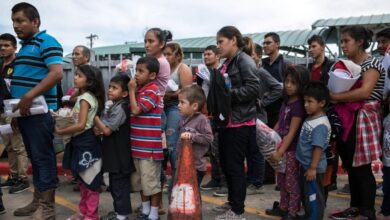
- Humanitarian Concerns: The agreement’s focus on enforcement raised humanitarian concerns, as officials faced difficult decisions regarding the treatment of migrants, particularly families and children seeking asylum.
- Complex Legal Landscape: Navigating the complex legal landscape surrounding immigration and asylum was a significant challenge for border officials, requiring them to stay informed of evolving policies and court rulings.
Examples of the Agreement’s Impact on Border Officials
The agreement significantly impacted the work of border officials in various ways:
- Increased Apprehensions: Following the agreement’s implementation, Border Patrol agents witnessed a surge in apprehensions, indicating the effectiveness of the agreement in deterring illegal crossings.
- Shifting Migration Patterns: The agreement’s enforcement measures influenced migration patterns, pushing migrants to seek alternative crossing points or to utilize more sophisticated smuggling tactics.
- Strain on Detention Facilities: The increased apprehensions led to overcrowding in detention facilities, highlighting the need for additional resources and a comprehensive approach to immigration management.
- Ethical Dilemmas: Border officials faced ethical dilemmas in balancing enforcement with humanitarian concerns, particularly in cases involving vulnerable migrants.
Economic Consequences: On The Border Officials See Dividends From Trumps Deal With Mexico
The Trump-Mexico Agreement, while primarily focused on border security, has potential economic implications for border communities. These communities, often characterized by a high concentration of small businesses and a reliance on cross-border trade, could experience both benefits and drawbacks from the agreement’s implementation.
Economic Opportunities for Border Communities, On the border officials see dividends from trumps deal with mexico
The agreement’s focus on facilitating legal trade and travel could lead to increased economic activity in border communities.
- Increased Trade and Investment: Streamlined customs procedures and a more predictable trade environment could attract businesses to establish operations in border communities, leading to job creation and economic growth. This could also encourage foreign investment in the region.
- Tourism and Hospitality: Improved border security and a more stable environment could boost tourism and hospitality industries in border communities. Increased visitor spending could create new jobs and revitalize local economies.
- Access to Markets: Border communities could benefit from increased access to both US and Mexican markets, allowing businesses to expand their operations and reach a wider customer base.
Potential Economic Challenges for Border Communities
While the agreement presents opportunities, it also poses potential challenges for border communities.
- Job Displacement: Increased automation and efficiency in border operations could lead to job displacement in some sectors, particularly in manual labor-intensive industries. This could necessitate retraining and workforce development programs to mitigate potential negative impacts.
- Increased Costs: Enhanced security measures could result in increased costs for businesses and residents in border communities. These costs could include higher transportation fees, increased border crossing wait times, and the need for additional security infrastructure.
- Economic Vulnerability: Border communities are often susceptible to economic downturns due to their dependence on cross-border trade. Any disruptions in trade or travel caused by the agreement’s implementation could have significant negative economic consequences for these communities.
Evidence of Economic Dividends
While it’s still too early to definitively assess the long-term economic impact of the agreement, some evidence suggests that border communities have experienced some positive economic effects.
- Increased Border Crossing Traffic: Reports indicate a rise in legal border crossings since the agreement’s implementation, suggesting increased trade and travel activity. This increase could contribute to economic growth in border communities.
- Business Expansion: Some businesses in border communities have reported increased sales and expansion plans, indicating a positive economic response to the agreement’s impact on trade and travel.
- Government Initiatives: Both the US and Mexican governments have launched initiatives to support economic development in border communities, recognizing the importance of mitigating potential negative impacts and maximizing opportunities presented by the agreement.
The Trump-Mexico Agreement continues to shape the landscape of the US-Mexico border, with its consequences extending beyond the immediate concerns of border security. The agreement has sparked debates about immigration policy, trade relations, and the future of US-Mexico cooperation. As the agreement continues to be implemented, it remains to be seen what its long-term impact will be on border communities, immigration patterns, and the overall relationship between the two nations.
It’s fascinating to see how border officials are finally seeing the benefits of Trump’s deal with Mexico, but it’s important to remember that the fight for justice is far from over. As Rep. Gohmert recently stated, “This is just the start of the snowball rolling,” referring to the FBI raid on the former president’s home. rep gohmert on fbi raid this is just the start of the snowball rolling The ongoing investigations and potential ramifications will undoubtedly have a significant impact on the political landscape, and it’s essential to stay informed about these developments.
Perhaps these events will lead to further progress on the border and a more secure future for our nation.