AOC Millennials, Informed Protesters, Remember the 60s?
Aoc suggests informed millennials are first generation to protest government forgets about the 60s – AOC’s recent statement suggesting that informed millennials are the first generation to truly protest government forgetfulness about the 1960s has sparked a lively debate. It’s a statement that begs for analysis, prompting us to consider the parallels and divergences between the movements of the past and the present. Are we truly witnessing a resurgence of activism, or is this simply a new iteration of a familiar struggle?
To understand AOC’s statement, we must delve into the historical context of the 1960s protests, examining the key movements and their impact. We must also explore the generational differences in motivation, ideology, and methods of protest between millennials and previous generations. The role of technology and social media in organizing and amplifying these movements deserves particular attention, as it undoubtedly shapes the landscape of modern protest.
Historical Context

The 1960s witnessed a surge in social and political activism, with widespread protests challenging the status quo across the globe. These protests, fueled by a spirit of change and fueled by a spirit of change and a yearning for a more just and equitable society, left an indelible mark on history. The decade saw a convergence of diverse movements, each with its own unique goals and strategies, but all united by a common thread of dissent against the existing power structures.
AOC’s assertion that millennials are the first generation to protest a government that seems to have forgotten the lessons of the 60s raises interesting questions about the changing political landscape. While the current generation may be more informed and connected than ever before, the GOP’s recent battle with Twitter over the freeze of McConnell’s campaign account, as reported in this article , highlights the continued tension between political parties and social media platforms.
This clash underscores the challenges of navigating the digital age and raises questions about the role of social media in shaping political discourse and potentially influencing the direction of future protests.
Key Movements and Their Impact
The 1960s saw the rise of several key movements, each with its own distinct goals and lasting impact.
- The Civil Rights Movement, led by figures like Martin Luther King Jr. and Malcolm X, aimed to dismantle racial segregation and secure equal rights for African Americans. This movement’s nonviolent resistance tactics, such as sit-ins and marches, garnered global attention and ultimately led to the passage of landmark legislation, including the Civil Rights Act of 1964 and the Voting Rights Act of 1965.
- The Anti-War Movement, spurred by the Vietnam War, mobilized millions of people against American involvement in the conflict. Protests, demonstrations, and draft resistance became commonplace, reflecting widespread opposition to the war’s brutality and the government’s policies. The anti-war movement contributed to the growing disillusionment with the government and fueled a broader critique of American foreign policy.
- The Student Movement, characterized by its radicalism and idealism, challenged traditional authority and advocated for social and political change. Students across the country engaged in protests against issues such as the Vietnam War, racial inequality, and the lack of student representation in university governance. The movement’s activism contributed to a broader cultural shift, questioning established norms and pushing for greater student autonomy.
- The Women’s Liberation Movement, driven by a desire for gender equality and challenging patriarchal structures, emerged as a powerful force in the late 1960s. The movement advocated for women’s rights in areas such as employment, education, reproductive health, and political participation. The movement’s activism helped to raise awareness of gender discrimination and paved the way for significant legal and social changes in the years to come.
AOC’s assertion that millennials are the first generation to protest a government that seems to have forgotten the lessons of the 60s is thought-provoking. It’s a reminder that political activism isn’t a relic of the past, and recent events like the implications of Senator Sinema quitting the Democrat party only underscore the need for continued engagement. Whether it’s through organized protests or simply staying informed, the millennial generation is proving that they’re not just inheriting the problems of the past, but actively shaping the future.
Timeline of Major Events
The 1960s protest era was marked by a series of pivotal events that shaped the course of the movement.
- 1960: The Greensboro sit-ins, initiated by four African American students, marked the beginning of the modern Civil Rights Movement.
- 1963: The March on Washington for Jobs and Freedom, where Martin Luther King Jr. delivered his iconic “I Have a Dream” speech, became a defining moment in the Civil Rights Movement. The assassination of President John F. Kennedy later that year sent shockwaves through the nation and heightened tensions surrounding the Vietnam War.
- 1964: The Civil Rights Act, prohibiting discrimination based on race, color, religion, sex, or national origin, was passed by Congress. The passage of this landmark legislation represented a major victory for the Civil Rights Movement, but it also highlighted the deep divisions within American society.
- 1965: The Voting Rights Act, guaranteeing the right to vote to all citizens regardless of race, was passed by Congress. The escalation of the Vietnam War, with the deployment of US combat troops, fueled anti-war protests and demonstrations.
- 1968: The assassination of Martin Luther King Jr. sparked widespread riots and unrest across the country. The assassination of Robert F. Kennedy, a potential presidential candidate, further deepened the nation’s political divisions. The Tet Offensive, a major military campaign by North Vietnamese forces, further galvanized the anti-war movement.
Similarities and Differences Between 1960s Protests and Contemporary Protests
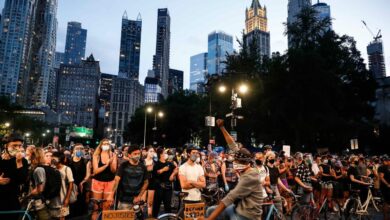
While separated by decades, the 1960s protests and contemporary protests share some striking similarities. Both eras witnessed widespread social and political unrest, driven by a desire for change and a rejection of the status quo. Both movements employed similar tactics, such as demonstrations, marches, and civil disobedience, to raise awareness and pressure governments to address their concerns. However, there are also notable differences between the two eras.
The 1960s protests were largely centered around issues such as racial equality, the Vietnam War, and student rights. Contemporary protests, while still addressing these issues, are also driven by concerns about climate change, economic inequality, and social justice. Furthermore, the rise of social media and online activism has significantly altered the landscape of contemporary protests, providing new platforms for mobilization and communication.
AOC’s assertion that informed millennials are the first generation to protest government apathy is intriguing. While it’s true that the youth today are incredibly engaged, it’s worth considering the historical context. The 60s were a time of immense social upheaval, and the question of how much harm is too much for a vaccine we already have the criteria how much harm is too much for a vaccine we already have the criteria is a testament to the ongoing fight for progress and change.
Perhaps the difference lies in the tools of communication, and millennials’ ability to leverage technology to amplify their voices, creating a seemingly more impactful and immediate wave of change.
Political Discourse and Engagement: Aoc Suggests Informed Millennials Are First Generation To Protest Government Forgets About The 60s
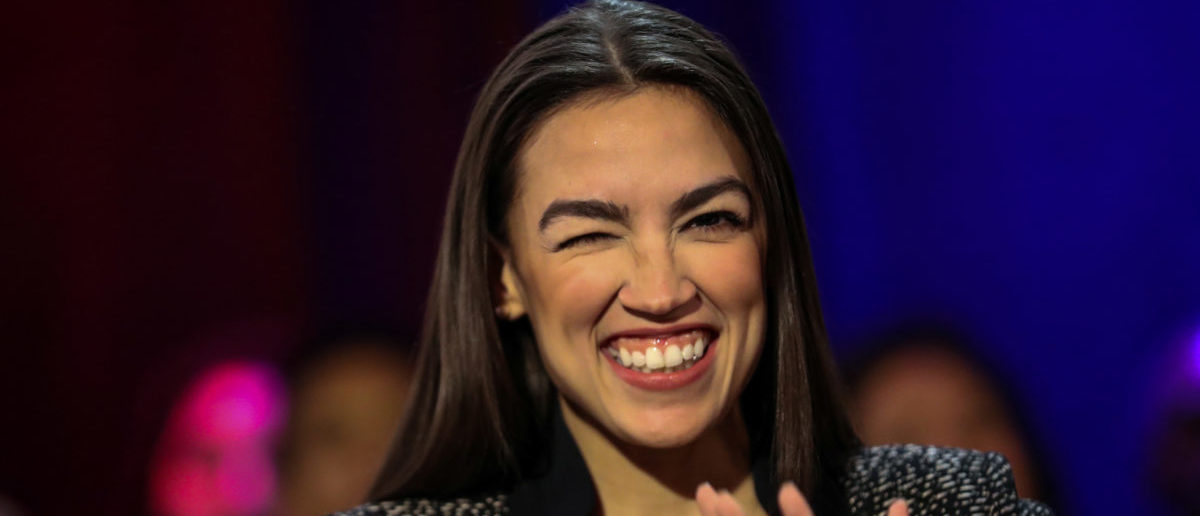
The statement, “Informed millennials are the first generation to protest government,” has sparked a heated debate about the nature of political engagement in the 21st century. While acknowledging the historical context of activism and protest, the statement highlights the unique ways in which millennials and Gen Z utilize technology and social media to mobilize and amplify their voices. This has significant implications for political discourse, public opinion, and voter engagement.
Social Media’s Influence on Political Discourse
Social media platforms have become integral to the formation and dissemination of political ideas. They provide a space for individuals to connect, share information, and organize around shared political values. The rapid spread of information, often through viral content, can quickly mobilize public opinion and influence political discourse. This has been evident in numerous instances, such as the Arab Spring uprisings, the Black Lives Matter movement, and the #MeToo movement.
“Social media has become a powerful tool for political mobilization, allowing individuals to connect and organize around shared interests and concerns. This has led to a shift in political discourse, with a greater emphasis on grassroots activism and online organizing.”
Professor of Political Science, University of California, Berkeley
Social media’s influence on political discourse is complex and multifaceted. It can be a powerful tool for fostering dialogue and promoting civic engagement. However, it can also be used to spread misinformation, manipulate public opinion, and create echo chambers that reinforce existing biases.
Impact on Voter Engagement and Political Participation, Aoc suggests informed millennials are first generation to protest government forgets about the 60s
The statement’s assertion that millennials are the first generation to protest government has implications for voter engagement and political participation. Millennials and Gen Z are increasingly disillusioned with traditional political institutions and processes. They are more likely to engage in forms of activism that challenge the status quo, such as online protests, boycotts, and social media campaigns. This shift in political engagement has the potential to reshape the political landscape, potentially leading to a rise in alternative political movements and a decline in traditional party loyalties.
“Millennials and Gen Z are more likely to engage in forms of activism that challenge the status quo, such as online protests, boycotts, and social media campaigns. This shift in political engagement has the potential to reshape the political landscape.”
Professor of Political Science, Harvard University
This shift in political engagement has been attributed to a number of factors, including the rise of social media, the increasing polarization of political discourse, and a growing sense of dissatisfaction with the current political system. These factors have led to a decline in traditional voter turnout, particularly among younger generations. However, it is important to note that this does not necessarily mean that millennials and Gen Z are less politically engaged.
They are simply engaging in different ways, often through online platforms and social movements.
The Role of Education and Information
In a democracy, an informed citizenry is crucial for effective governance. Education plays a pivotal role in fostering political engagement by equipping individuals with the knowledge and skills necessary to understand complex political issues, evaluate different perspectives, and participate in the democratic process.
The Importance of an Informed Citizenry
An informed citizenry is essential for a healthy democracy. It allows individuals to make informed decisions about their political participation, hold their elected officials accountable, and advocate for policies that align with their values. Education provides the foundation for this informed participation by developing critical thinking skills, fostering a sense of civic responsibility, and promoting a deeper understanding of political systems and processes.
The Benefits and Drawbacks of Increased Access to Information
The rise of the internet and social media has dramatically increased access to information, creating both opportunities and challenges for political discourse.
Benefits of Increased Access to Information
- Greater Transparency and Accountability: Increased access to information can lead to greater transparency in government and corporate actions, making it easier for citizens to hold institutions accountable. For example, investigative journalism and citizen-led initiatives can expose corruption and wrongdoing, promoting greater accountability.
- Empowerment of Marginalized Groups: Increased access to information can empower marginalized groups by providing them with platforms to share their perspectives, organize, and advocate for their rights. For example, online platforms have enabled social movements like Black Lives Matter and #MeToo to gain momentum and influence public discourse.
- Diverse Perspectives and Ideas: The internet allows for the dissemination of a wider range of perspectives and ideas, challenging dominant narratives and promoting intellectual diversity. This can lead to more nuanced and informed political debates.
Drawbacks of Increased Access to Information
- Information Overload and Filter Bubbles: The sheer volume of information available online can lead to information overload, making it difficult for individuals to sift through and evaluate credible sources. Furthermore, algorithms and personalized feeds can create “filter bubbles” where individuals are exposed only to information that confirms their existing beliefs, leading to echo chambers and polarization.
- Misinformation and Disinformation: The internet has become a breeding ground for misinformation and disinformation, often spread through social media and online platforms. This can undermine public trust in institutions and create confusion and distrust.
- Cybersecurity Threats and Data Privacy Concerns: Increased reliance on online platforms raises concerns about cybersecurity threats, data privacy, and the potential for manipulation and surveillance.
The Role of Media Literacy in Navigating a Complex Information Landscape
Media literacy is essential for navigating the complex and often polarized information landscape of the internet. It equips individuals with the skills to critically evaluate information sources, identify bias, and distinguish between fact and fiction.
“Media literacy is the ability to access, analyze, evaluate, and create media in a variety of formats.”
National Association for Media Literacy Education
Media literacy involves:
- Source Evaluation: Assessing the credibility and reliability of information sources, considering factors such as author expertise, publication reputation, and potential biases.
- Fact-Checking: Verifying information through multiple sources and using fact-checking websites and tools to identify false or misleading claims.
- Identifying Bias: Recognizing and understanding the biases inherent in different media outlets and information sources.
- Critical Thinking: Applying critical thinking skills to analyze information, identify logical fallacies, and evaluate evidence.
- Digital Citizenship: Understanding the ethical and responsible use of digital media and promoting online spaces that are inclusive, respectful, and free from harassment.
Ultimately, AOC’s statement highlights the importance of informed citizenry and the power of collective action. It reminds us that the fight for social justice is an ongoing process, requiring constant vigilance and engagement. While the methods and platforms of protest may evolve, the core principles of equality, justice, and accountability remain timeless. As we navigate a complex and ever-changing political landscape, understanding the historical context of protest and the unique characteristics of each generation is crucial to shaping a more just and equitable future.