China on High Alert Ahead of CCPs 70th Anniversary
Ahead of 70th anniversary of communist party takeover chinese authorities are on high alert – As China prepares for the 70th anniversary of the Communist Party’s takeover in 1949, a palpable tension hangs in the air. The anniversary, a monumental occasion in the CCP’s narrative, has sparked a wave of heightened security measures across the nation. Authorities are on high alert, with concerns about potential unrest and threats to the Party’s legitimacy looming large.
The anniversary serves as a powerful reminder of the CCP’s grip on power and its unwavering determination to maintain control, even in the face of growing economic challenges and a changing global landscape.
This heightened security presence is a testament to the CCP’s sensitivity surrounding the anniversary. From increased surveillance and censorship to crackdowns on dissent, the government is leaving no stone unturned in its efforts to ensure a smooth and celebratory event. The anniversary represents a crucial opportunity for the CCP to solidify its narrative, showcase its economic achievements, and reinforce its ideological control over Chinese society.
But the anniversary also presents a challenge, as it highlights the growing tensions between the CCP’s authoritarian rule and the aspirations of a burgeoning middle class yearning for greater freedoms and transparency.
Security Measures: Ahead Of 70th Anniversary Of Communist Party Takeover Chinese Authorities Are On High Alert
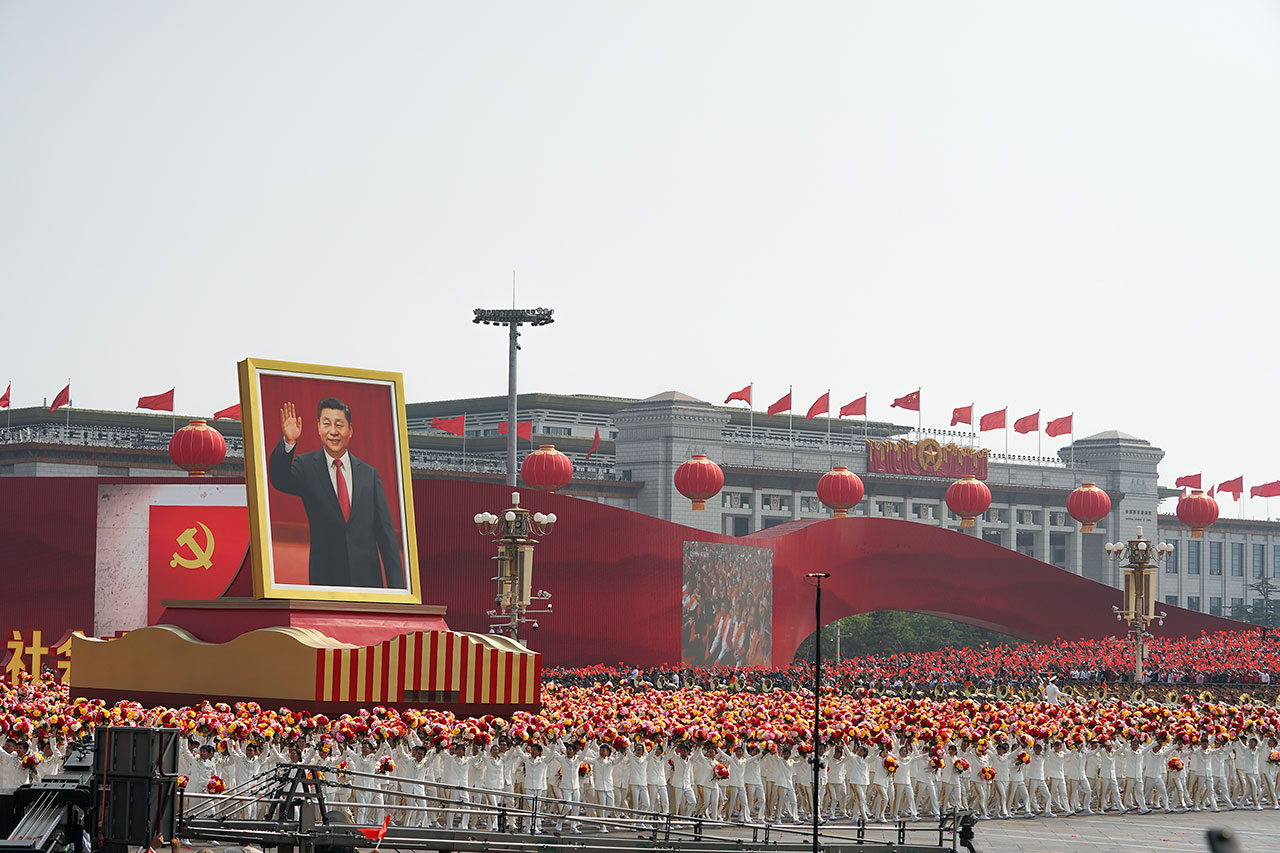
With the 70th anniversary of the Communist Party’s takeover approaching, Chinese authorities have implemented a range of security measures, reflecting their heightened concern about potential unrest and threats to stability. These measures aim to ensure a smooth and celebratory event, minimizing any risk of disruption or dissent.
Increased Surveillance, Ahead of 70th anniversary of communist party takeover chinese authorities are on high alert
The Chinese government has significantly increased its surveillance capabilities in the lead-up to the anniversary. This includes deploying more surveillance cameras, expanding facial recognition technology, and monitoring online activity through internet censorship and social media surveillance. The rationale behind this increased surveillance is to identify and potentially preempt any potential threats to security, including individuals or groups planning protests or acts of dissent.
By monitoring public spaces and online platforms, authorities can identify and track individuals who may be considered a risk. For instance, the government has deployed facial recognition technology in public spaces, such as train stations and airports, to identify individuals who may be on a watchlist. This technology has also been used to track individuals’ movements and identify their potential associations.
Censorship and Information Control
The Chinese government has implemented strict censorship measures to control the flow of information and prevent the spread of dissenting views. This includes blocking access to websites and social media platforms that are critical of the government, censoring online discussions, and limiting access to information about sensitive topics. The government’s rationale for this censorship is to prevent the spread of misinformation, maintain social stability, and protect national security.
However, critics argue that these measures are used to stifle dissent and control the narrative surrounding the anniversary. For example, the government has blocked access to websites and social media platforms that are critical of the Communist Party’s rule. Additionally, online discussions about sensitive topics, such as the Tiananmen Square massacre, have been heavily censored.
Crackdowns on Dissent
The Chinese government has also intensified its crackdown on dissent and political opposition in the lead-up to the anniversary. This includes arresting individuals who have expressed critical views of the government, targeting human rights activists, and silencing critics through intimidation and harassment. The government justifies these crackdowns by citing the need to maintain national security and prevent disruptive activities. However, critics argue that these measures are a violation of human rights and are designed to suppress any form of opposition.
For instance, in the months leading up to the anniversary, several individuals who have been critical of the government have been arrested or detained. Human rights activists have also been targeted for their work, and critics have been silenced through intimidation and harassment.
Cultural and Social Impact
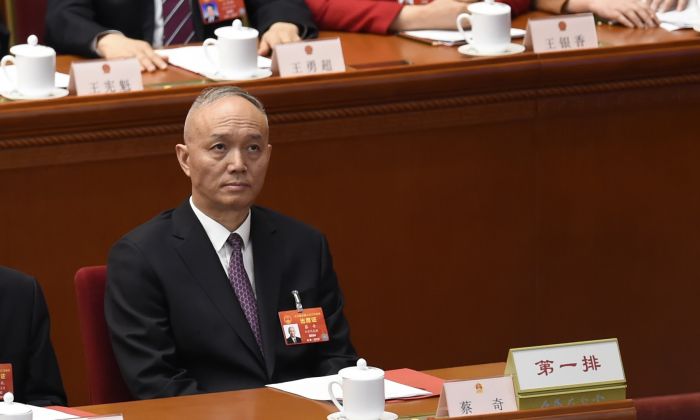
The 70th anniversary of the Communist Party of China’s (CCP) takeover in 1949 presents a significant opportunity for the CCP to showcase its achievements and consolidate its grip on Chinese society. The anniversary is a moment for the CCP to reinforce its cultural and ideological control, leveraging the occasion to promote national pride and unity.
Impact on Cultural Expression
The CCP has used the anniversary to tighten control over cultural expression, emphasizing narratives that celebrate the CCP’s leadership and its contributions to China’s development. This has manifested in various ways:
- Censorship and Propaganda: The CCP has increased censorship of media and online content, suppressing any criticism or dissenting voices. Propaganda campaigns highlighting the CCP’s successes have been amplified, aimed at shaping public opinion and reinforcing the narrative of a strong and prosperous China under CCP rule.
- Patriotic Education: The anniversary has been used to promote patriotic education, with schools and universities organizing events and lectures to instill a sense of national pride and loyalty to the CCP. This includes promoting narratives about the CCP’s historical struggles and sacrifices, emphasizing the CCP’s role in China’s modernization and economic growth.
- Cultural Events and Performances: The anniversary has been marked by large-scale cultural events, performances, and exhibitions celebrating China’s history and achievements. These events are designed to showcase the CCP’s cultural influence and promote a sense of national unity and shared identity.
Impact on Social Control
The anniversary has also been used to strengthen social control mechanisms, with the CCP aiming to maintain stability and prevent any potential challenges to its authority. This includes:
- Surveillance and Security: Security measures have been heightened across China, with increased surveillance and monitoring of public spaces and online activities. The CCP has used this opportunity to reinforce its control over information and suppress any potential dissent.
- Social Control Measures: The CCP has implemented social control measures, such as restrictions on public gatherings and increased scrutiny of online content, aimed at preventing any protests or demonstrations that could disrupt the celebrations. The focus is on maintaining a sense of stability and order during the anniversary celebrations.
- Public Participation: The CCP has encouraged public participation in the anniversary celebrations, aiming to create a sense of shared pride and unity. This includes organizing events, promoting patriotic themes, and encouraging individuals to express their support for the CCP. The aim is to create a narrative of widespread public support for the CCP and its leadership.
Potential Cultural and Social Changes
The 70th anniversary could potentially lead to some cultural and social changes in the aftermath of the celebrations.
- Increased Nationalism: The anniversary celebrations are likely to fuel a sense of nationalism and patriotism among the Chinese population. This could potentially lead to increased assertiveness in foreign policy and a more assertive approach to international relations.
- Reinforced Social Control: The CCP’s focus on maintaining stability and control during the anniversary could lead to a further tightening of social control mechanisms in the long term. This could include increased surveillance, restrictions on free speech, and stricter control over online content.
- Increased Social Inequality: While the CCP promotes a narrative of shared prosperity, the anniversary celebrations could highlight the growing social inequality in China. This could lead to increased social tensions and potential challenges to the CCP’s legitimacy.
The 70th anniversary of the CCP’s takeover is more than just a historical milestone; it’s a potent symbol of the Party’s enduring power and its unwavering commitment to its own narrative. While the anniversary is undoubtedly a moment for celebration, it also serves as a stark reminder of the ongoing struggle between the CCP’s ambitions and the aspirations of a nation seeking a balance between stability and progress.
As China prepares for this momentous occasion, the world watches with anticipation, eager to see how the CCP navigates the complex challenges and opportunities that lie ahead.
With the 70th anniversary of the Communist Party takeover looming, Chinese authorities are on high alert, focusing on maintaining stability and control. This focus extends beyond internal security, however, as they also grapple with the potential fallout of a rapid energy transition. A recent report, energy transition a dangerous delusion report , warns of the economic and social disruptions that could arise from an overly ambitious shift away from fossil fuels.
This report underscores the delicate balancing act China faces as it seeks to both celebrate its past and secure its future.
With the 70th anniversary of the Communist Party takeover approaching, Chinese authorities are on high alert, implementing strict security measures. Meanwhile, across the globe, the IRS is issuing another tax warning to Americans who made more than $600 online, highlighting the importance of accurate reporting for online income. The heightened vigilance in China underscores the importance of stability and control ahead of such a significant anniversary.
With the 70th anniversary of the Communist Party’s takeover fast approaching, Chinese authorities are on high alert, tightening security measures and cracking down on dissent. Meanwhile, across the globe, former President Trump continues to make headlines, this time filing a motion seeking to prevent the Department of Justice from accessing records at Mar-a-Lago until a special master is appointed, as seen in this recent article: trump files motion seeking to prevent doj access to mar a lago records until special master appointed.
While these events seem worlds apart, they both highlight the ever-present tension between power, control, and individual rights in a world increasingly defined by political and social unrest.