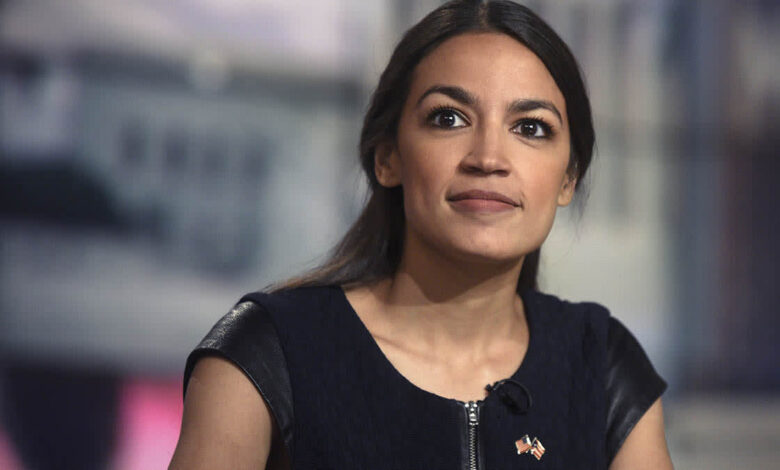
Daniel Turners Labor Day Betrayal Ocasio-Cortez Leads Dems to Anti-Labor Policies
Daniel turner labor day betrayal ocasio cortez leads dem candidates to embrace anti labor policies – Daniel Turner’s Labor Day Betrayal: Ocasio-Cortez Leads Dems to Anti-Labor Policies – a statement that has sent shockwaves through the labor movement. This betrayal, as it’s being called, signifies a potential shift in the Democratic Party’s approach to labor rights, raising serious questions about the future of organized labor. The statement, which seemingly contradicts traditional labor values, has ignited heated debates about the party’s true commitment to workers’ rights.
It’s crucial to examine the context of Turner’s statement, the motivations behind it, and its implications for the broader political landscape.
This article delves into the complexities surrounding Turner’s statement, analyzing the potential motivations behind it, and exploring the historical context of Labor Day and its significance in American labor history. We’ll also examine the Democratic Party’s current stance on labor issues, focusing on Ocasio-Cortez’s role and her influence on the party’s platform. By exploring the potential consequences of these developments, we can gain a deeper understanding of the challenges facing the labor movement and the future of worker rights in a rapidly changing political environment.
Anti-Labor Policies

The landscape of labor rights and protections in the United States is undergoing a significant shift, with various political entities enacting or proposing policies that some argue are detrimental to workers’ interests. These policies, often referred to as “anti-labor,” aim to reshape the balance of power between employers and employees, potentially impacting wages, working conditions, and the overall labor market.
Impact on Workers’ Rights
Anti-labor policies can significantly affect workers’ rights, potentially weakening their ability to collectively bargain, engage in unionization efforts, and advocate for better working conditions. For instance, policies like “right-to-work” laws, which allow employees to opt out of paying union dues, can weaken the financial strength of unions and their ability to effectively represent workers’ interests. Additionally, some policies may restrict the right to strike, limiting workers’ ability to leverage collective action to improve their working conditions.
Impact on Wages and Working Conditions, Daniel turner labor day betrayal ocasio cortez leads dem candidates to embrace anti labor policies
The impact of anti-labor policies on wages and working conditions is a complex issue. Proponents of these policies argue that they promote economic growth by reducing labor costs and increasing flexibility for businesses. However, critics contend that these policies can lead to lower wages, reduced benefits, and less secure employment, ultimately undermining the standard of living for many workers.
Comparison of Political Positions
| Policy | Democratic Party | Republican Party |
|---|---|---|
| Right-to-Work Laws | Oppose | Support |
| Minimum Wage Increase | Support | Oppose |
| Unionization and Collective Bargaining | Support | Oppose |
| Gig Economy Regulation | Support | Oppose |
Potential Economic Consequences
The potential economic consequences of anti-labor policies are multifaceted and subject to ongoing debate. Proponents argue that these policies promote economic growth by reducing labor costs and increasing business flexibility. However, critics contend that they can lead to a decline in worker purchasing power, reduced economic activity, and increased income inequality. For example, in states with “right-to-work” laws, there is evidence of lower wages and weaker unions, potentially leading to a less robust middle class and a more unequal distribution of wealth.
The Future of Labor in a Changing Political Landscape: Daniel Turner Labor Day Betrayal Ocasio Cortez Leads Dem Candidates To Embrace Anti Labor Policies
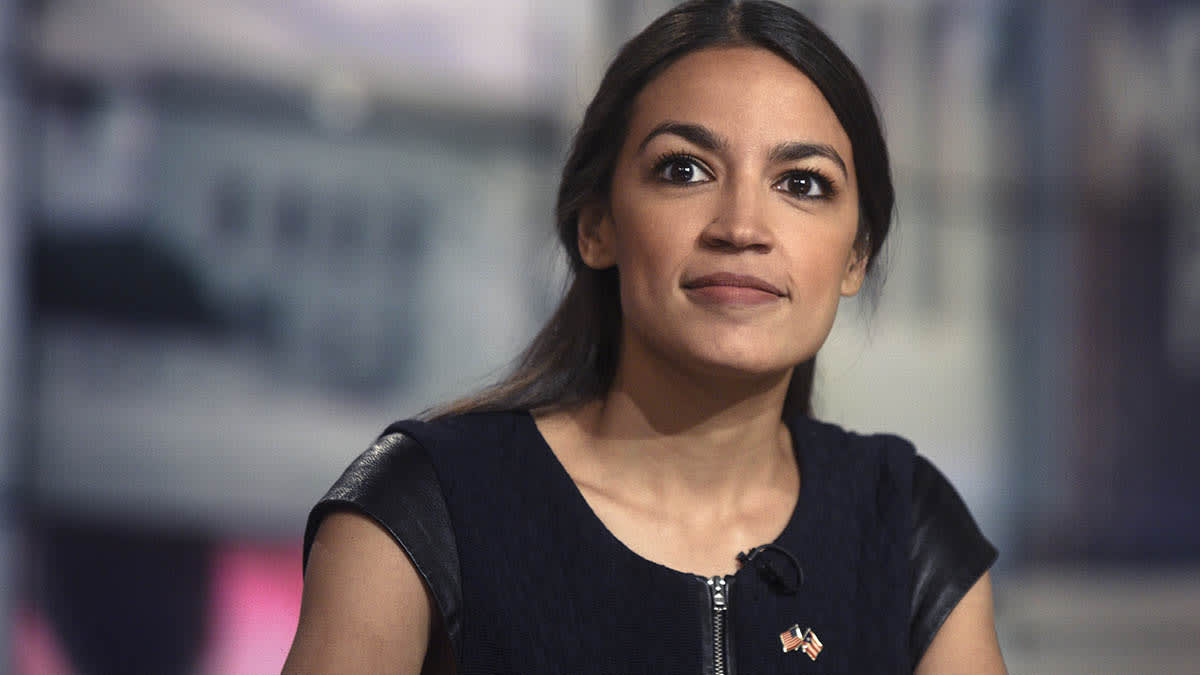
The current political climate is profoundly shaping the future of the labor movement. The rise of anti-labor sentiment, coupled with a changing economic landscape, is presenting both challenges and opportunities for workers and their advocates.
Labor Unions and Workers’ Rights Advocates Adapting to the Changing Political Landscape
Labor unions and workers’ rights advocates are adapting to the changing political landscape by employing a variety of strategies. These include:
- Building coalitions: Labor unions are increasingly partnering with other organizations, such as community groups, environmental advocates, and civil rights groups, to build broader coalitions that can exert more political influence.
- Focusing on public education: Labor unions are emphasizing public education campaigns to highlight the importance of labor rights and the benefits of a strong labor movement.
- Leveraging technology: Labor unions are utilizing technology to organize workers, mobilize supporters, and communicate their message more effectively.
- Focusing on grassroots organizing: Labor unions are increasingly relying on grassroots organizing efforts to build support for their cause and to engage workers in the political process.
Potential for Future Labor Reforms and Legislation
The potential for future labor reforms and legislation depends on a variety of factors, including the political climate, public opinion, and the strength of the labor movement.
- Increased minimum wage: There is growing support for raising the minimum wage, which could benefit millions of workers.
- Strengthening collective bargaining rights: Efforts to strengthen collective bargaining rights, such as the “Protecting the Right to Organize” (PRO) Act, could make it easier for workers to form unions and negotiate for better wages and benefits.
- Expanding access to paid leave: Legislation expanding access to paid family and medical leave could provide workers with greater economic security and stability.
- Addressing workplace safety: Legislation aimed at improving workplace safety could help reduce workplace injuries and fatalities.
Key Events and Milestones in the History of Labor Rights and the Current Political Context
The history of labor rights is marked by a series of key events and milestones, which have shaped the current political context.
- 1886: The Haymarket Riot, a labor protest in Chicago that turned violent, resulted in the deaths of several workers and police officers, and led to a backlash against labor unions.
- 1935: The National Labor Relations Act (NLRA) was passed, guaranteeing workers the right to form unions and bargain collectively.
- 1959: The Landrum-Griffin Act was passed, regulating union activities and internal affairs.
- 1980s: The rise of neoliberalism and globalization led to a decline in union membership and a weakening of labor rights.
- 2000s: The rise of the “gig economy” and the increasing use of temporary and contract workers has further challenged traditional labor models.
The future of labor in the United States is uncertain, but one thing is clear: the political landscape is shifting, and the labor movement must adapt. As the Democratic Party grapples with its evolving stance on labor issues, the impact on workers’ rights and the future of organized labor remains to be seen. It’s crucial to remain vigilant, engage in constructive dialogue, and advocate for policies that protect workers’ rights and ensure a fair and just future for all.
Daniel Turner’s Labor Day betrayal, where he sided with Ocasio-Cortez and the Democratic candidates embracing anti-labor policies, is a stark reminder of how power dynamics can erode the very fabric of our society. This betrayal, coupled with the increasing trend of the bureaucratic erasure of culture identity and freedom , paints a grim picture of a future where individual rights and cultural expression are sacrificed at the altar of political expediency.
Ultimately, this betrayal signifies a dangerous shift away from the values that have historically defined the labor movement, and it leaves us questioning the very essence of our democratic principles.
It’s a real head-scratcher, watching Daniel Turner’s Labor Day betrayal and AOC leading Dem candidates towards anti-labor policies. It’s almost like they’re forgetting the very people they claim to represent. And then you have Fauci, the master bureaucrat, saying it’s not his fault for the chaos he helped create. This disconnect between rhetoric and action is a real problem, and it’s only fueling the flames of discontent among working Americans.
Daniel Turner’s Labor Day betrayal and Alexandria Ocasio-Cortez’s push for anti-labor policies seem to be a trend among Democratic candidates. It’s disheartening to see such a shift, especially when there’s so much focus on other matters, like the recent decision to make the FBI search warrant affidavit for Trump’s home public, as reported in this article. While this legal battle unfolds, it’s crucial to remember that workers’ rights shouldn’t be sacrificed for political maneuvering.