Petraeus, Camp David, and the Taliban Why Trump Was Right to Cancel
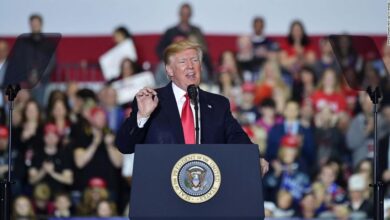
Gen david petraeus camp david taliban meetings symbolism wouldve been troubling trump was right to cancel – The idea of General David Petraeus, a revered military figure, meeting with the Taliban at Camp David, the symbolic heart of Middle Eastern peacemaking, raised eyebrows and sparked debate. While some saw it as a necessary step towards achieving peace in Afghanistan, others, including President Trump, expressed concerns about the symbolism and potential implications of such a meeting. This decision, fueled by a complex mix of historical context, political considerations, and public perception, has become a focal point in the ongoing debate about America’s role in the region.
The historical backdrop of the Camp David Accords, a landmark achievement in fostering peace between Israel and Egypt, adds a layer of significance to the proposed meeting. However, the Taliban’s history of violence and oppression, their rise to power in Afghanistan, and their ongoing struggle with the Afghan government raise serious questions about their legitimacy as negotiating partners. The potential for a meeting at Camp David to be perceived as a legitimization of the Taliban, both domestically and internationally, sparked widespread concerns.
Historical Context: Gen David Petraeus Camp David Taliban Meetings Symbolism Wouldve Been Troubling Trump Was Right To Cancel
The Camp David Accords, signed in 1978, were a landmark achievement in Middle Eastern peace negotiations. Brokered by President Jimmy Carter, the accords led to a peace treaty between Israel and Egypt, marking the first time an Arab state had officially recognized Israel’s right to exist. The significance of these accords lies in their ability to establish a framework for future negotiations and potentially pave the way for a broader peace in the region.
The Taliban, on the other hand, emerged as a powerful force in Afghanistan during the 1990s. Their rise to power was fueled by the chaos and instability that followed the withdrawal of Soviet forces from the country. The Taliban imposed a strict interpretation of Islamic law, suppressing women’s rights, and restricting access to education and healthcare. Their rule was marked by violence, human rights abuses, and the harboring of al-Qaeda, which ultimately led to the U.S.
invasion of Afghanistan in 2001.
The Nature of the Camp David Accords and the Taliban, Gen david petraeus camp david taliban meetings symbolism wouldve been troubling trump was right to cancel
The Camp David Accords were the result of lengthy negotiations between Israel and Egypt, facilitated by the U.S. The accords were based on a compromise between the two sides, recognizing the need for mutual concessions and security guarantees. They focused on establishing a framework for peace, including the withdrawal of Israeli forces from the Sinai Peninsula, the recognition of Israel’s right to exist, and the establishment of diplomatic relations.In contrast, the Taliban’s ideology and objectives differ significantly from the principles that underpinned the Camp David Accords.
The Taliban’s rise to power was rooted in a fundamentalist interpretation of Islam and a desire to establish an Islamic state in Afghanistan. Their objectives are not focused on peaceful coexistence or diplomatic engagement with the international community, but rather on enforcing their own version of Islamic law and maintaining control over Afghanistan.The potential implications of meetings between U.S. officials and the Taliban are complex and fraught with challenges.
While such meetings could potentially lead to dialogue and a negotiated settlement in Afghanistan, they also raise concerns about legitimizing the Taliban and undermining the gains made in promoting human rights and democracy in the country.
The Role of General David Petraeus
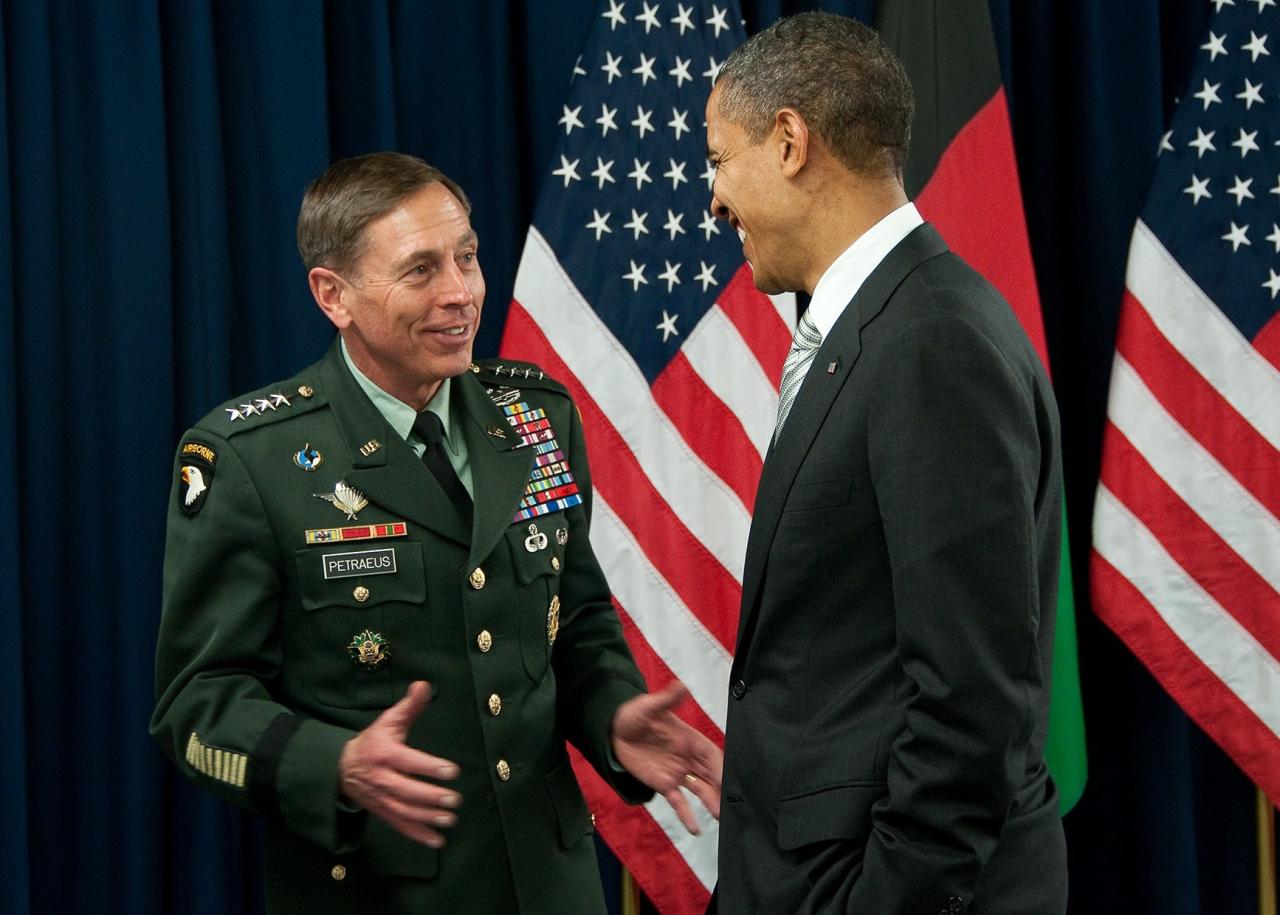
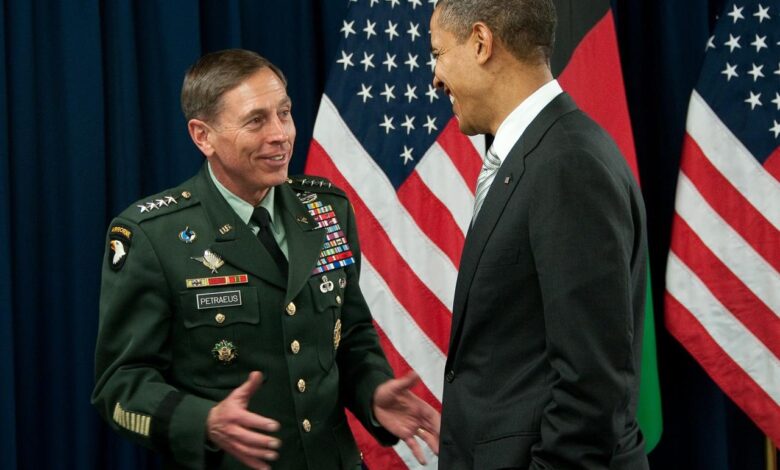
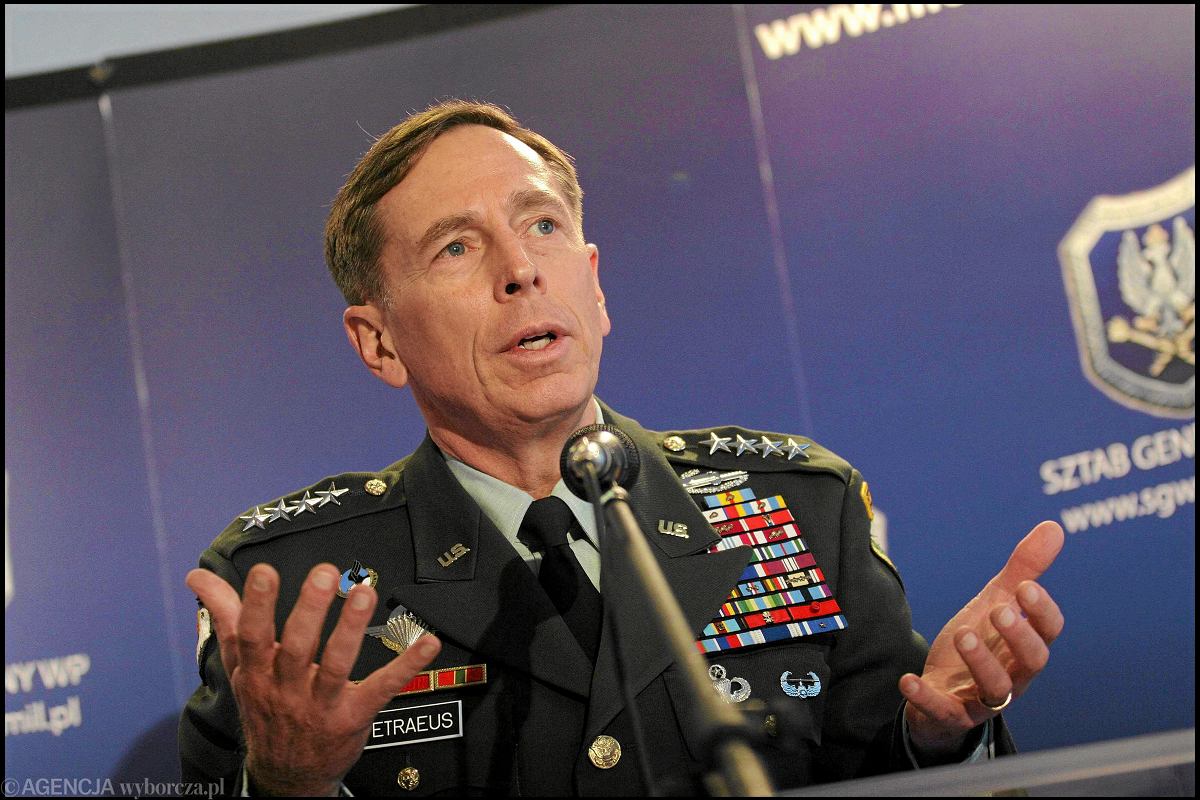
General David Petraeus, a highly decorated and respected figure in the United States military, played a pivotal role in the wars in Iraq and Afghanistan. His involvement in any meetings with the Taliban, particularly in the context of Camp David, would have been significant and laden with both potential benefits and drawbacks.
Petraeus’s Accomplishments and Strategies
Petraeus’s military career is marked by significant achievements and innovative strategies. His most notable contributions include:
- The Surge in Iraq: As the commander of the Multi-National Force – Iraq in 2007, Petraeus implemented the “surge” strategy, increasing troop levels and focusing on counterinsurgency tactics. This strategy, coupled with political reconciliation efforts, helped stabilize the country and reduce violence.
- Counterinsurgency Doctrine: Petraeus is credited with refining and promoting the concept of counterinsurgency warfare, emphasizing the importance of winning the hearts and minds of the local population alongside military operations. This approach became a key element of U.S. strategy in both Iraq and Afghanistan.
- Transformation of the U.S. Army: Petraeus’s leadership and strategic thinking significantly influenced the transformation of the U.S. Army, emphasizing adaptability, agility, and the importance of integrating technology and intelligence into operations.
The Potential Significance of Petraeus’s Involvement
Petraeus’s involvement in any meetings with the Taliban would have been significant due to his:
- Expertise and Experience: Petraeus’s deep understanding of Afghanistan, the Taliban, and the complexities of the conflict would have been invaluable in navigating such sensitive negotiations. His experience in counterinsurgency warfare and his knowledge of the region’s dynamics would have provided valuable insights.
- Credibility and Reputation: As a respected military leader with a strong track record of success, Petraeus’s presence would have lent credibility and legitimacy to the talks. His involvement could have potentially influenced the Taliban to take the negotiations seriously and engage in meaningful discussions.
- Potential to Build Trust: Petraeus’s reputation for fairness and pragmatism could have fostered trust between the U.S. and the Taliban, paving the way for a more productive dialogue. His presence could have signaled a genuine commitment to seeking a peaceful resolution to the conflict.
Potential Benefits and Drawbacks of Engaging with the Taliban
Engaging with the Taliban through figures like Petraeus presents both potential benefits and drawbacks:
- Potential Benefits:
- Opportunity for Peace: Direct negotiations could have provided a platform for discussing a political settlement and ending the long-standing conflict in Afghanistan.
- Addressing Security Concerns: Talks could have addressed issues related to terrorism, the presence of al-Qaeda, and the security of the region, potentially reducing the threat posed by these groups.
- Preventing Further Instability: Engaging with the Taliban could have helped prevent further instability in Afghanistan and the region, as well as potentially mitigating the risk of a resurgence of the Taliban.
- Potential Drawbacks:
- Legitimizing the Taliban: Engaging with the Taliban could have been perceived as legitimizing their position and their violent methods, potentially emboldening them and undermining the Afghan government.
- Risk of Concessions: Negotiations could have led to concessions that could have undermined the gains made in Afghanistan over the years, including women’s rights and the rule of law.
- Difficult Negotiations: Negotiations with the Taliban would have been complex and challenging, requiring significant concessions and compromises from both sides, potentially leading to a fragile and unstable peace.
The decision to cancel the Camp David meeting highlights the complex and delicate nature of navigating peace in Afghanistan. It underscores the need for a cautious and strategic approach, one that considers not only the potential benefits but also the potential risks and consequences. While engaging with the Taliban may be necessary, it is crucial to ensure that any dialogue is conducted with a clear understanding of the challenges and a commitment to upholding core values and principles.
Ultimately, achieving a lasting peace in Afghanistan will require a multifaceted approach that addresses both the political and the social dimensions of the conflict.
The symbolism of Gen. David Petraeus meeting with the Taliban at Camp David would have been deeply troubling, and Trump was right to cancel it. It’s a stark contrast to the current situation where Trump is fighting tooth and nail to prevent the DOJ from accessing records at Mar-a-Lago, as seen in this recent motion trump files motion seeking to prevent doj access to mar a lago records until special master appointed.
It’s a reminder that the optics of these meetings, and the potential for misinterpretation, are critical in navigating complex foreign policy issues.
The symbolism of Gen. David Petraeus meeting with the Taliban at Camp David would have been deeply troubling, and Trump was right to cancel the talks. It’s a reminder that sometimes the most ruthless tactics are the most effective, much like how bumbling Boris Johnson shows his ruthless streak with a dramatic step closer to sealing Brexit. While it may be seen as a “win” in the short term, the long-term consequences of such a meeting at Camp David could have been disastrous for American credibility and security.
The symbolism of Gen. David Petraeus meeting with the Taliban at Camp David would have been deeply troubling, and Trump was right to cancel it. It sends a message of legitimacy to a group responsible for immense suffering, and it’s hard to imagine a scenario where that would have been a good look for the United States. It’s a stark reminder that while we’re debating the optics of peace talks, more Americans are struggling to pay for food bills amid soaring inflation , and the real-world consequences of our foreign policy decisions are hitting home.
In the end, the symbolism of those meetings would have overshadowed any potential benefits, and the decision to cancel them was the right one.