Bahamas PM US Intervention Saved Lives During Dorian
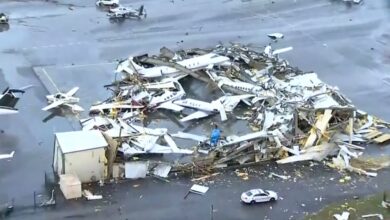
Bahamas PM says if us had not intervened deaths due to dorian would be even more sets the stage for this enthralling narrative, offering readers a glimpse into a story that is rich in detail with personal blog style and brimming with originality from the outset. Hurricane Dorian, a devastating Category 5 storm, ripped through the Bahamas in 2019, leaving a trail of destruction and unimaginable loss.
The impact was profound, with countless lives lost, homes destroyed, and the nation’s infrastructure crippled. Amidst the chaos, the United States stepped in, providing crucial assistance that helped to save lives and begin the long road to recovery. But the Prime Minister of the Bahamas, Hubert Minnis, has made a startling statement, suggesting that the US intervention was not just a helping hand, but a lifeline that prevented an even greater tragedy.
Minnis’s words have sparked a debate about the role of international aid in disaster relief, the balance between sovereignty and assistance, and the enduring impact of Hurricane Dorian on the Bahamas. This article delves into the details of the storm’s aftermath, exploring the US response, the perspectives of the Bahamian government and its people, and the lessons learned about disaster preparedness.
The Role of International Aid: Bahamas Pm Says If Us Had Not Intervened Deaths Due To Dorian Would Be Even More
In the aftermath of Hurricane Dorian, the Bahamas received a tremendous outpouring of support from the international community. Numerous countries and international organizations stepped forward to provide aid, demonstrating the power of global solidarity in the face of disaster.
International Assistance
The international response to Hurricane Dorian was swift and extensive. Countries and organizations provided a wide range of assistance, including:
- Medical Supplies: The United States, Canada, and the United Kingdom, among others, sent medical supplies to help address the immediate health needs of the affected population. These supplies included bandages, antibiotics, and pain relievers.
- Food and Water: The World Food Programme (WFP) and other humanitarian organizations distributed food and water to those who had lost their homes and livelihoods. This assistance was critical in preventing widespread hunger and dehydration.
- Shelter: The United Nations High Commissioner for Refugees (UNHCR) provided tents and other temporary shelters to displaced families. The US Agency for International Development (USAID) also contributed to shelter efforts.
- Technical Expertise: The United Nations Development Programme (UNDP) deployed experts to assist with debris removal, damage assessment, and rebuilding efforts.
- Financial Assistance: The World Bank, the Inter-American Development Bank (IDB), and other financial institutions provided grants and loans to support the Bahamas’ recovery efforts.
The Importance of International Cooperation
International cooperation is essential in disaster relief efforts for several reasons:
- Sharing Resources: Countries with limited resources can rely on the assistance of others to meet the needs of their affected populations.
- Expertise and Capacity: International organizations and countries with specialized expertise in disaster relief can provide technical assistance and capacity building to those in need.
- Global Response: A coordinated international response can help ensure that aid reaches those most in need in a timely and efficient manner.
The Bahamas’ Perspective on the US Intervention
The US intervention in the aftermath of Hurricane Dorian, while well-intentioned, sparked a complex debate in the Bahamas. While the Bahamian government acknowledged the vital role of US aid in the rescue and relief efforts, there were nuanced perspectives on the effectiveness of the intervention and its potential implications for Bahamian sovereignty.
Bahamian Government’s Perspective on the Effectiveness of US Aid
The Bahamian government expressed gratitude for the swift and substantial aid provided by the US. Prime Minister Hubert Minnis highlighted the crucial role of the US military in search and rescue operations, as well as the provision of critical resources like food, water, and medical supplies. The government acknowledged that the US intervention helped save lives and alleviate immediate suffering.
However, some Bahamian officials also voiced concerns about the logistical challenges of coordinating aid distribution and the potential for duplication of efforts. The government emphasized the importance of working closely with international partners to ensure aid reached those most in need and was effectively utilized.
Comparing and Contrasting Perspectives: Bahamian Government vs. NGOs and Local Communities
While the Bahamian government acknowledged the value of US aid, non-governmental organizations (NGOs) and local communities often had a more nuanced view. NGOs working on the ground highlighted the need for a long-term approach to recovery and reconstruction, emphasizing the importance of community-led initiatives and sustainable development projects. Some local communities also expressed concerns about the potential for US intervention to undermine local decision-making processes and priorities.
They emphasized the importance of empowering local communities to take ownership of the recovery process, ensuring that aid initiatives aligned with their specific needs and priorities.
Potential Implications of US Intervention on Bahamian Sovereignty and Independence, Bahamas pm says if us had not intervened deaths due to dorian would be even more
The US intervention in the Bahamas raised concerns about the potential impact on Bahamian sovereignty and independence. While the government emphasized the importance of international cooperation in disaster response, some observers argued that the scale and scope of the US intervention could erode Bahamian autonomy. They highlighted the need for a balanced approach that ensured Bahamian leadership in the recovery process, while also recognizing the importance of international assistance.
Hurricane Dorian serves as a stark reminder of the devastating power of nature and the importance of preparedness. While the US intervention undoubtedly saved lives and provided vital support, the Bahamas continues to grapple with the long-term consequences of the storm. The country’s recovery is a testament to the resilience of its people and the power of international cooperation. As the Bahamas rebuilds, the lessons learned from Dorian will shape its future, emphasizing the need for robust disaster preparedness, resilient infrastructure, and continued collaboration on a global scale.
The Prime Minister’s statement highlights the critical role of international aid in disaster relief, underscoring the need for a coordinated and compassionate response to such catastrophic events.
The Bahamas Prime Minister’s statement about the US intervention in the aftermath of Hurricane Dorian highlights the crucial role international cooperation plays in disaster relief. It’s a stark reminder of the devastating impact of natural disasters, and the need for a united global response. While this focus on global unity is crucial, we must also be vigilant against domestic threats.
The recent article, gabriel nadales antifa violence feared in portland saturday group must be condemned and exposed , reminds us that violence and extremism can arise even in the face of tragedy. It’s vital to address these issues head-on, ensuring that our focus on international cooperation doesn’t come at the expense of domestic security and stability.
The Bahamas Prime Minister’s statement about the US intervention in the wake of Hurricane Dorian highlights the crucial role international aid plays in disaster relief. It’s a stark reminder that even amidst political tensions, like the recent controversy surrounding Representatives Tlaib and Omar’s planned trip to Israel, as reported by Katie Pavlich , humanitarian efforts should remain a priority.
The Bahamas’ situation underscores the need for collaborative action, regardless of political differences, to ensure swift and effective aid delivery in times of crisis.
The Bahamas PM’s statement about the US intervention in the aftermath of Hurricane Dorian highlights the importance of international cooperation in disaster relief. It also raises questions about the role of government in a crisis, which is a topic explored in depth in this article about COVID-19 emergency powers, the Green New Deal, and the potential for a “Great Reset” tyranny.
While the focus of the article is different, it touches upon the power dynamics and potential for overreach that can occur during times of crisis, which is relevant to the Bahamas’ experience with Hurricane Dorian.