Sluggish Business Investment Trade War Isnt the Only Culprit
Real reason behind sluggish business investment isnt trade war bank economist says – While the trade war has certainly cast a shadow over business investment, a prominent bank economist argues that it’s not the sole culprit behind the sluggish growth. This economist delves deeper, highlighting other economic factors that are playing a significant role in holding back business confidence and investment decisions.
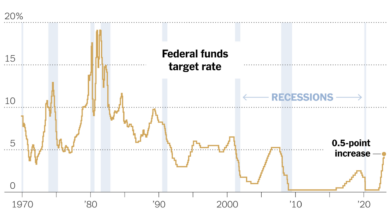
The trade war, with its tariffs and supply chain disruptions, has undoubtedly created uncertainty and dampened business sentiment. However, factors like rising interest rates, inflation, and fluctuating consumer spending are also contributing to the hesitancy in investment. The economist’s analysis provides a nuanced perspective, emphasizing the complex interplay of these forces in shaping the current economic landscape.
The Trade War’s Impact on Business Investment
The trade war, particularly the imposition of tariffs, has had a significant impact on business investment decisions. This impact stems from several factors, including reduced confidence in future economic growth, disruptions to supply chains, and increased uncertainty about the future trade environment.
While the trade war has certainly created uncertainty, a bank economist argues the real reason behind sluggish business investment lies elsewhere. It’s a complex issue, but the recent clash between Chicago’s mayor and Ted Cruz over gun violence, as seen in this article , highlights the broader social and political anxieties that are impacting investment decisions. Ultimately, businesses are hesitant to commit resources in a climate of instability and uncertainty, regardless of the specific cause.
Impact on Business Confidence
The imposition of tariffs has led to increased costs for businesses, both in terms of the direct cost of the tariffs themselves and the indirect costs associated with finding alternative suppliers or adjusting production processes. This has created a sense of uncertainty among businesses about the future direction of the economy and the profitability of their investments. For example, a company considering expanding its operations may be hesitant to do so if it fears that tariffs could make its products more expensive and less competitive in the future.
While economists are quick to blame the trade war for sluggish business investment, a deeper analysis reveals a more nuanced picture. The uncertainty surrounding the political landscape, highlighted by Lindsey Graham’s warning of potential riots if Trump is prosecuted , is a significant factor in holding back investment decisions. Businesses need stability and predictability to thrive, and the current climate, rife with political turmoil, is far from ideal.
Disruptions to Supply Chains
The trade war has also disrupted global supply chains, leading to delays in the delivery of goods and materials. This has made it difficult for businesses to plan their operations and can lead to production delays and lost sales. For example, a manufacturer that relies on imported components may have to find alternative suppliers, which can be time-consuming and costly.
This disruption can lead to production bottlenecks, increased costs, and a decrease in efficiency.
Trade War Uncertainty
The uncertainty surrounding the future of the trade war has also had a significant impact on business investment decisions. Businesses are hesitant to make long-term investments when they are unsure about the future trade environment. This uncertainty can lead to businesses delaying investment decisions or even canceling projects altogether. For example, a company may postpone a new factory construction if it is uncertain about the future cost of imported materials.
Beyond the Trade War: Real Reason Behind Sluggish Business Investment Isnt Trade War Bank Economist Says
While the trade war has undoubtedly cast a shadow over business investment, it’s crucial to recognize that it’s not the sole factor driving the sluggishness. Other economic forces are at play, shaping the investment landscape and influencing business decisions.
Interest Rates and Investment
Interest rates play a pivotal role in determining the cost of borrowing for businesses. When interest rates rise, borrowing becomes more expensive, potentially discouraging investment. This is because businesses must pay a higher return to lenders, reducing their profits and potentially impacting their ability to invest. Conversely, lower interest rates make borrowing cheaper, making investment more attractive.
For instance, a company considering a new factory expansion might be more hesitant to invest if borrowing costs are high due to rising interest rates.
Inflation and Investment
Inflation, a general increase in prices, can also influence investment decisions. When inflation is high, businesses face rising costs for inputs like raw materials and labor. This can erode profit margins, making investment less appealing. Furthermore, high inflation can lead to uncertainty about future prices, making it difficult for businesses to plan for the long term.
For example, a manufacturing firm might delay investing in new equipment if it anticipates significant price increases for raw materials in the future.
Consumer Spending and Investment, Real reason behind sluggish business investment isnt trade war bank economist says
Consumer spending is a major driver of economic growth and, consequently, business investment. When consumer spending is strong, businesses are more likely to invest in expanding their operations or introducing new products to meet increased demand. Conversely, weak consumer spending can dampen investment, as businesses may be reluctant to invest in projects that are unlikely to generate returns.
A retailer might be less inclined to open a new store if consumer spending is weak and they are unsure about future demand.
Bank Economist’s Perspective
The sluggishness in business investment has been a major concern for economists and policymakers alike. While the trade war has certainly played a role, it’s not the sole culprit. Bank economists, with their deep understanding of financial markets and business behavior, offer a nuanced perspective on the real reasons behind this slowdown.
Factors Beyond the Trade War
Bank economists emphasize that the trade war is only one piece of a complex puzzle. They point to several other factors that have contributed to the sluggishness in business investment, including:* Uncertainty and Volatility: The trade war has created a climate of uncertainty and volatility, making businesses hesitant to commit to large investments. This uncertainty extends beyond trade policy, encompassing factors like the global economic outlook, interest rate movements, and political instability.
Weak Global Demand
The global economy has been experiencing a slowdown, leading to weaker demand for goods and services. This dampens business confidence and reduces the incentive for investment.
Technological Disruption
Rapid technological advancements, such as automation and artificial intelligence, are disrupting traditional business models and creating uncertainty about future demand. This can lead to businesses holding back on investments until they have a clearer picture of how these technologies will impact their industries.
Rising Labor Costs
In some sectors, labor costs are rising, making it more expensive for businesses to operate and invest. This can also contribute to a slowdown in investment, especially in industries that are labor-intensive.
Regulatory Uncertainty
Changes in regulations, particularly in areas like environmental protection and financial services, can create uncertainty for businesses and impact their investment decisions.
The economist’s insights offer a valuable perspective on the current state of business investment, emphasizing that the trade war is not the sole driver of sluggish growth. By understanding the complex interplay of various economic factors, businesses can develop strategies to navigate these uncertainties and make informed investment decisions. While the future remains uncertain, a clear-eyed assessment of the current economic landscape is crucial for making sound business choices.
While the trade war might be making headlines, a recent report from a leading bank economist suggests the real reason behind sluggish business investment is something much deeper. Uncertainty about the future economic landscape is causing companies to hold back, and this uncertainty is driving a shift in how investors are approaching the market. To see how the top investors are navigating this uncertain terrain, check out this insightful article on how the top investors are trading the market in a recession.
Understanding their strategies might offer valuable insights into the true drivers behind the current investment climate.