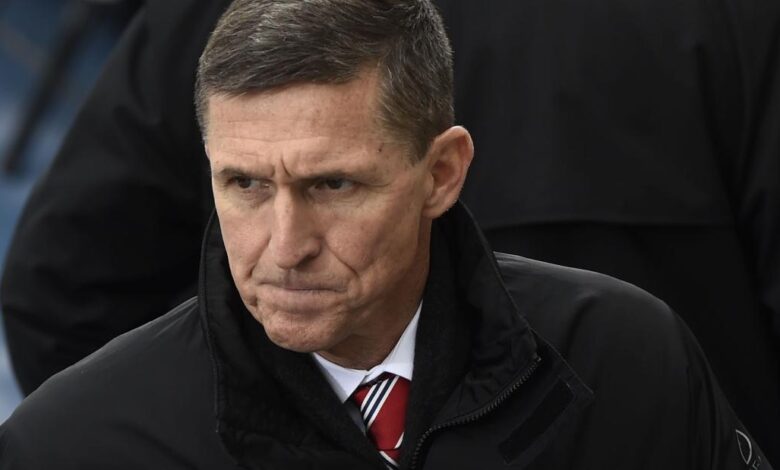
Flynn Turns Tables on Prosecutors in Major Legal Blitz
Flynn Turns Tables on Prosecutors in Major Legal Blitz takes center stage, as the former National Security Advisor, Michael Flynn, mounts a fierce legal challenge against the government. This case, riddled with twists and turns, has become a legal battleground, raising questions about the justice system and the boundaries of prosecutorial power.
The saga began with Flynn’s guilty plea to lying to the FBI about his conversations with the Russian ambassador. However, Flynn later sought to withdraw his plea, claiming he was pressured by prosecutors and that his legal representation was inadequate. This ignited a firestorm of legal maneuvering, with Flynn’s legal team launching a series of aggressive legal challenges, including allegations of prosecutorial misconduct.
The case has captivated the public, sparking heated debates about the fairness of the justice system and the potential for political influence in legal proceedings.
The “Legal Blitz”

The “legal blitz” employed by Flynn and his legal team was a multi-pronged strategy aimed at challenging the legitimacy of the charges against him and ultimately securing his exoneration. This approach involved a combination of aggressive legal arguments, strategic procedural maneuvers, and a concerted effort to discredit the prosecution’s case.
It’s been a whirlwind week in the news, with Flynn’s legal battle taking center stage. But amidst the legal drama, the story of Don Lemon’s alleged assault has taken a turn, with a witness coming forward to share his account of the incident. The witness, who initially joked about the situation, now expresses regret for his lightheartedness.
As we digest these developments, it’s important to remember that justice takes time, and the legal battles, both in the Flynn case and the Lemon situation, are far from over.
The Arguments Presented by Flynn’s Legal Team
Flynn’s legal team presented a series of arguments designed to cast doubt on the prosecution’s case and highlight alleged procedural irregularities. Key arguments included:
- The “Innocent Until Proven Guilty” Principle: Flynn’s lawyers argued that the government had failed to meet its burden of proof, asserting that the prosecution’s case relied heavily on circumstantial evidence and questionable interpretations of Flynn’s statements.
- The “Fruit of the Poisonous Tree” Doctrine: This argument focused on the contention that evidence used against Flynn was obtained through illegal or improper means, such as the FBI’s alleged failure to inform Flynn of his Miranda rights during the interview that led to his guilty plea.
- The “Entrapment” Defense: Flynn’s team argued that the FBI had deliberately induced Flynn to make statements that could be used against him, suggesting that agents had intentionally pressured him to make incriminating statements.
- The “Abuse of Process” Claim: Flynn’s lawyers argued that the government had pursued charges against him for improper political motives, rather than for genuine legal reasons.
The Impact of Flynn’s Legal Strategies
The legal strategies employed by Flynn’s legal team had a significant impact on the legal proceedings. Their aggressive tactics forced the prosecution to defend their case more rigorously, leading to a series of court battles and appeals. This prolonged legal fight also brought renewed scrutiny to the actions of the FBI and the Department of Justice, prompting public debate about the potential for political bias in the justice system.
It’s fascinating to see Flynn turning the tables on prosecutors, but the news about a looming diesel shortage, as reported in this article , paints a stark picture of the challenges facing our country. It makes you wonder if the legal battles are just a distraction from the real problems we’re facing. Hopefully, Flynn’s legal maneuverings can shed light on the corruption that seems to be permeating our institutions, and maybe, just maybe, it will lead to some much-needed reforms.
The outcome of Flynn’s legal battle remains a subject of ongoing debate. However, the “legal blitz” he and his team launched undeniably contributed to a more nuanced and complex legal landscape, raising questions about the nature of justice and the potential for abuse of power within the government.
The Role of Prosecutors and the Justice System
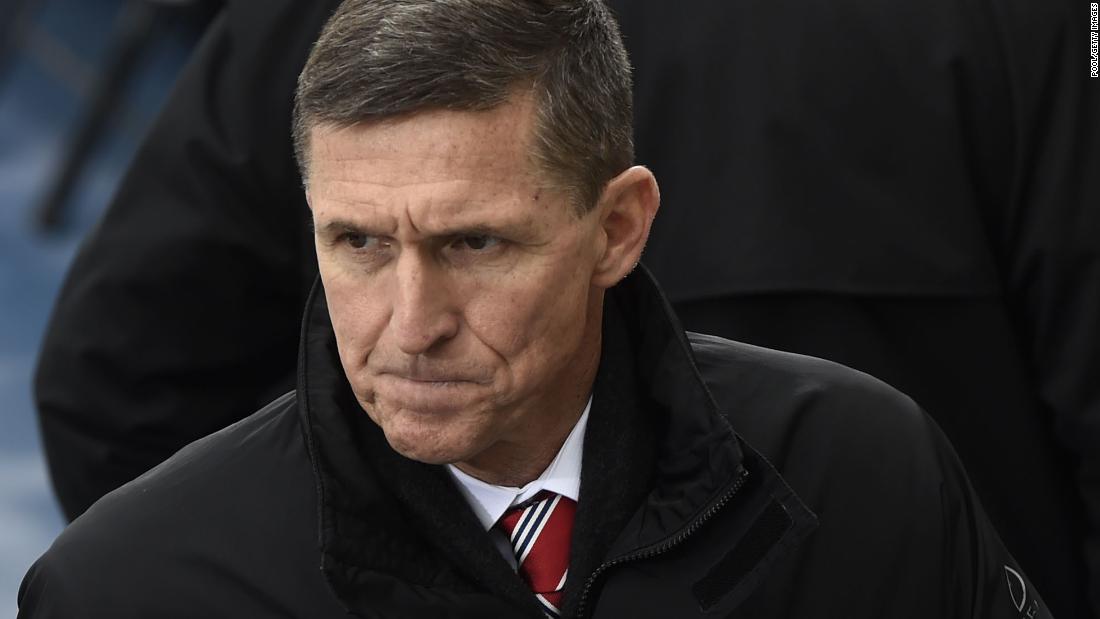
The legal battle surrounding Michael Flynn, a former National Security Advisor, has thrust the role of prosecutors and the integrity of the justice system into the spotlight. This case raises crucial questions about the balance of power, ethical considerations, and the potential for abuse within the legal system.
The Prosecutorial Role in the Flynn Case
Prosecutors, acting on behalf of the government, have the responsibility of bringing charges against individuals suspected of committing crimes. In the Flynn case, prosecutors alleged that he lied to the FBI about his conversations with the Russian ambassador. However, the case has been marked by controversy, with allegations of prosecutorial misconduct and potential political motivations. Prosecutors’ actions in the Flynn case have raised concerns about their objectivity and the fairness of the legal process.
Some argue that the prosecutors pursued charges against Flynn without sufficient evidence and pressured him to plead guilty to avoid a more serious trial. This raises questions about the potential for abuse of power by prosecutors, particularly in politically sensitive cases.
Implications for the Credibility and Integrity of the Justice System
The Flynn case has the potential to erode public trust in the justice system. If it is proven that prosecutors acted improperly or with political motivations, it could undermine the perception of fairness and impartiality. This could lead to a decline in public confidence in the ability of the legal system to deliver justice.The case has also highlighted the importance of transparency and accountability within the justice system.
It is essential for prosecutors to be held accountable for their actions and for the public to have access to information about how cases are handled. This includes ensuring that prosecutors adhere to ethical guidelines and that their decisions are based on evidence rather than political considerations.
Ethical Considerations
The actions of both Flynn and the prosecutors raise important ethical questions. Flynn’s decision to plead guilty, despite later claiming innocence, raises questions about the pressure he may have felt from prosecutors. The prosecutors’ actions, particularly the handling of evidence and the potential for political influence, also raise ethical concerns.Ethical considerations in legal cases involve ensuring that all parties are treated fairly, that evidence is presented accurately, and that decisions are based on objective criteria.
When these principles are violated, it undermines the integrity of the justice system and erodes public trust.
Public Perception and Media Coverage: Flynn Turns Tables On Prosecutors In Major Legal Blitz
The Flynn case garnered significant public attention, with media coverage playing a pivotal role in shaping public perception. The case’s complex legal and political dimensions, coupled with the intense scrutiny of the Trump administration, fueled widespread interest and debate.
Media Narratives and Public Understanding
Media coverage of the Flynn case presented diverse narratives, influencing public understanding of the events and the individuals involved. Some outlets emphasized the allegations of wrongdoing by Flynn, portraying him as a key figure in the Trump administration’s alleged attempts to interfere with the Russia investigation. Others focused on the potential for prosecutorial misconduct, highlighting the controversial circumstances surrounding Flynn’s guilty plea and subsequent attempts to withdraw it.
These contrasting narratives created a polarized public opinion, with different groups drawing contrasting conclusions about Flynn’s guilt or innocence.
The Impact of Media Coverage on Public Opinion, Flynn turns tables on prosecutors in major legal blitz
Media coverage significantly impacted public opinion on the Flynn case. The constant flow of information, often presented with strong opinions and interpretations, contributed to the formation of deeply held beliefs. This dynamic created a challenging environment for impartial analysis, with many individuals relying on media narratives as their primary source of information. The intense media scrutiny, coupled with the politicized nature of the case, further exacerbated public divisions and fueled speculation.
The Flynn case is far from over, and its implications for the legal system and public trust are profound. The legal strategies employed by Flynn and his legal team, along with the actions of the prosecutors, have set a precedent that could influence future cases. This case is a stark reminder of the complexities of the legal system and the constant struggle for justice and accountability.
Flynn’s legal strategy is turning heads, but the fight for individual rights is far from over. While Flynn tackles legal battles, a new front has opened in the fight for gun rights with credit card giants deciding to categorize gun-related sales separately, a move the NRA calls a direct attack on the Second Amendment. These developments raise serious questions about the future of gun ownership and the delicate balance between individual freedom and public safety.
As Flynn’s case progresses, the debate over gun rights continues to intensify, highlighting the complex challenges facing our society.