Mattis Derides Cowardice in NYT Anti-Trump Op-Ed
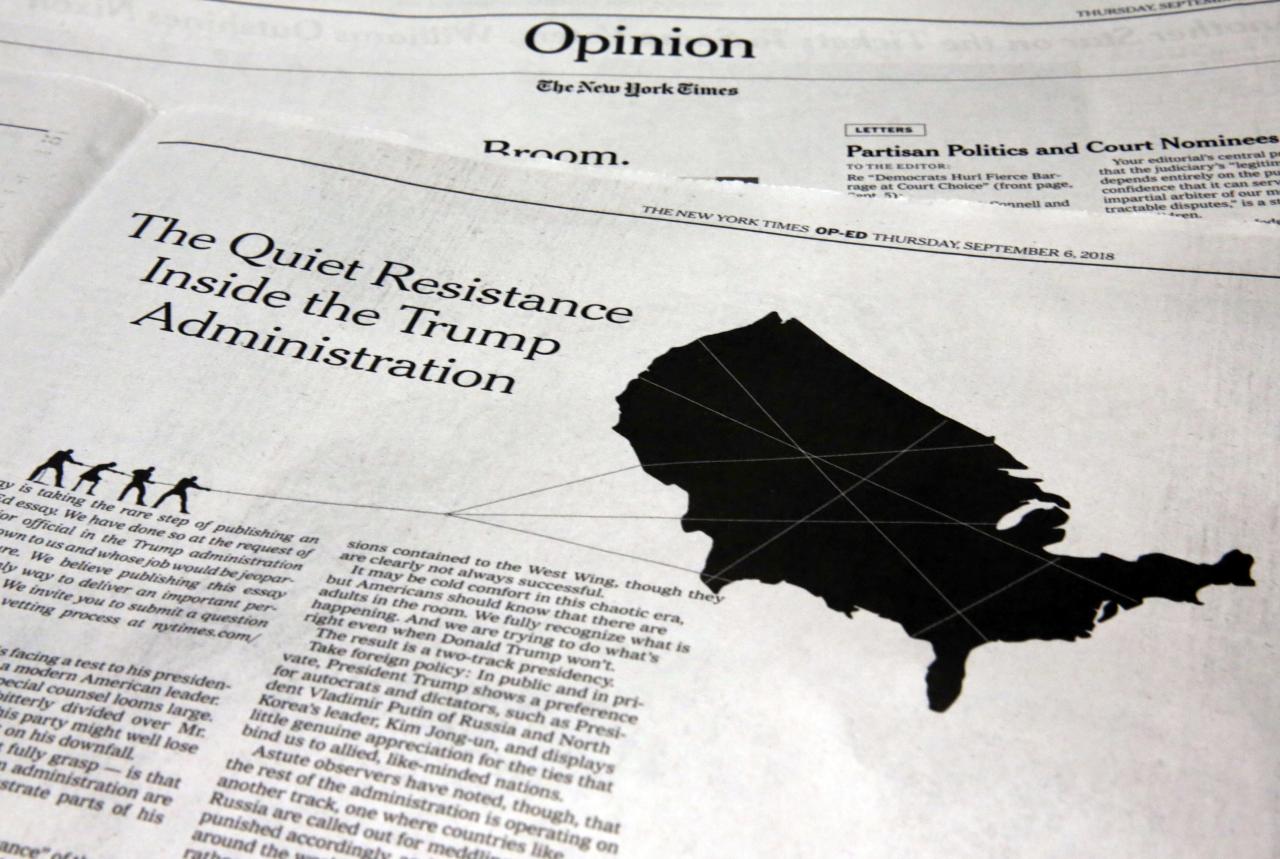
Mattis derides cowardice from anonymous official who penned new york times anti trump op ed – Mattis derides cowardice from anonymous official who penned New York Times anti-Trump op-ed. The fallout from a 2018 New York Times op-ed, penned anonymously by a senior Trump administration official, ignited a firestorm of debate. General James Mattis, then-Secretary of Defense, publicly condemned the author’s actions, labeling them cowardly. This sparked a larger conversation about whistleblowing, loyalty, and the ethics of anonymous criticism within the political sphere.
The event highlighted the deep divisions within the Trump administration and the challenges of navigating dissent within a highly polarized political landscape.
This post delves into the specifics of Mattis’s response, examining his communication style, the op-ed’s central arguments, and the broader political implications of the controversy. We’ll explore the ethical dilemmas surrounding anonymous whistleblowing and analyze the long-term consequences of this dramatic public clash.
Mattis’s Public Persona and Rhetorical Style: Mattis Derides Cowardice From Anonymous Official Who Penned New York Times Anti Trump Op Ed
James Mattis cultivated a distinct public persona throughout his career, marked by a blend of military discipline and carefully chosen words. His communication style, while often blunt, generally avoids the inflammatory rhetoric common in contemporary political discourse. He projects an image of seriousness and competence, relying on his reputation and perceived expertise to carry his message.Mattis’s response to the anonymous New York Times op-ed exemplified his typical approach.
While clearly critical of the Trump administration’s actions, his language remained measured and professional. He refrained from personal attacks, focusing instead on the principles he believed were being undermined. This contrasts somewhat with some of his earlier, more outspoken criticisms of specific policies, though even then his pronouncements tended to be grounded in reasoned argument rather than emotional appeals.
Mattis’s Tone and Language in Response to the NYT Op-Ed, Mattis derides cowardice from anonymous official who penned new york times anti trump op ed
In responding to the op-ed, Mattis employed a restrained and formal tone. His statement was devoid of the aggressive or accusatory language often seen in political debates. He expressed his concern over the erosion of democratic norms and the potential damage to national security, framing his criticism in terms of broader principles rather than specific individuals or events.
This approach is consistent with his past statements, where he frequently emphasized the importance of adherence to ethical conduct and the rule of law. For example, in previous public addresses, he consistently emphasized the importance of civilian control of the military and the need for troops to follow lawful orders. His response to the NYT op-ed mirrored this consistent emphasis on principled leadership and adherence to established norms.
Influence of Mattis’s Military Background
Mattis’s military background profoundly shaped his approach to criticizing the anonymous source. His emphasis on discipline, chain of command, and accountability is evident in his response. He likely viewed the anonymous nature of the op-ed as a violation of established norms within both military and civilian contexts. The military culture emphasizes clear communication, accountability for actions, and loyalty to superiors.
The anonymous op-ed, from Mattis’s perspective, likely represented a subversion of these values. His public rebuke, therefore, can be interpreted as a reflection of his deeply ingrained military principles and a commitment to transparency and accountability, even when dealing with sensitive political issues. His reaction is consistent with his long-held beliefs about the importance of upholding institutional integrity and following established protocols.
The Anonymous Op-Ed and its Content
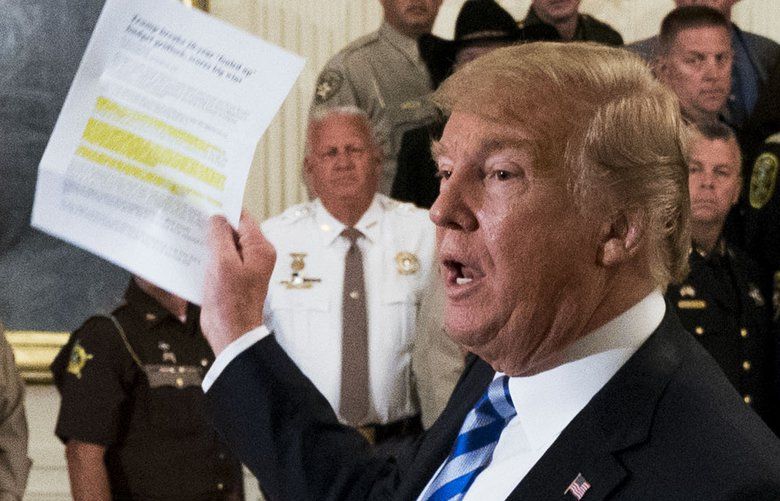
The September 2018 New York Times op-ed, penned by a senior Trump administration official, ignited a firestorm of controversy. Its anonymous nature immediately fueled speculation, while its content offered a stark insider’s perspective on the Trump presidency, painting a picture of a chaotic and potentially dangerous administration. The piece became a pivotal moment in the ongoing debate surrounding Trump’s leadership and the state of American governance.
Summary of the Op-Ed’s Main Arguments
The op-ed’s central argument revolved around the assertion that a group of senior officials within the Trump administration were working to counteract what they perceived as the president’s impulsive and ill-informed decisions. The author described a concerted effort to prevent President Trump from enacting policies they believed to be detrimental to the country and its democratic institutions. This involved subtly guiding the president, blocking his initiatives, and attempting to maintain a semblance of normalcy and stability.
The author highlighted a consistent pattern of erratic behavior, poor judgment, and a lack of understanding of policy matters, suggesting a serious threat to national security and the established norms of presidential conduct. The core message was one of silent resistance from within, motivated by a sense of patriotic duty.
Key Criticisms of the Trump Administration
The op-ed leveled several significant criticisms against the Trump administration. These included: the president’s erratic decision-making process, characterized by impulsivity and a disregard for expert advice; a lack of competence and understanding of policy complexities; a disregard for established norms and procedures within the government; concerns about the president’s temperament and fitness for office; and the potential threat posed by the president’s actions to national security and democratic institutions.
The author consistently emphasized the importance of preserving these institutions and protecting the country from the president’s perceived destructive tendencies.
Motivations Behind the Author’s Anonymity
The author’s decision to remain anonymous was clearly driven by a fear of retribution. Revealing their identity would have likely resulted in immediate dismissal from their position and potential legal repercussions. This speaks to a climate of fear and intimidation within the administration, where dissent was actively suppressed. Furthermore, anonymity allowed the author to speak freely and frankly about their concerns without jeopardizing their career or safety.
The author likely believed that the importance of their message outweighed the risks associated with remaining anonymous, prioritizing the well-being of the country over their personal career.
Comparison of Op-Ed Concerns and Mattis’s Positions
| Concern | Op-Ed Stance | Mattis’s Stance | Point of Convergence/Divergence |
|---|---|---|---|
| Presidential Decision-Making | Erratic, impulsive, disregards expert advice | Emphasized the importance of reasoned decision-making and military expertise | Convergence: Both expressed concern about the President’s decision-making process. Divergence: Mattis’s public statements were less critical, focusing on professional conduct. |
| National Security | President’s actions pose a threat | Prioritized national security and stability; resigned in protest over policy disagreements. | Convergence: Shared deep concern for national security. Divergence: Mattis chose public resignation rather than anonymous dissent. |
| Institutional Norms | President disregards established norms | Upholder of military and civilian institutional norms | Convergence: Both viewed the erosion of institutional norms as problematic. Divergence: Mattis’s response was more direct and public. |
| Presidential Fitness for Office | Concerns about temperament and competence | Never publicly questioned the president’s fitness but resigned in protest. | Convergence: Implicit concern about the president’s suitability for office. Divergence: Mattis’s method of expressing this concern was different; he resigned. |
The Mattis-anonymous op-ed controversy serves as a potent case study in the complexities of political dissent and the challenges of maintaining ethical conduct within a high-stakes environment. Mattis’s strong condemnation, while potentially divisive, underscored his commitment to transparency and accountability. The incident raised fundamental questions about the balance between loyalty, dissent, and the pursuit of the public good, a debate that continues to resonate within American politics today.
The legacy of this event serves as a reminder of the ongoing tension between upholding institutional norms and navigating the pressures of partisan politics.
Mattis’s condemnation of the anonymous NYT op-ed author’s cowardice felt particularly relevant today. It reminded me of the blatant disregard for transparency we’re seeing elsewhere, like in this case where new documents reveal a disturbing level of collusion – check out this article for details: new documents show clear big tech government collusion lawyer. The lack of accountability in both situations is truly unsettling, echoing Mattis’s concerns about undermining democratic principles.
Mattis’s condemnation of the anonymous NYT op-ed author for their cowardly attack felt strangely familiar. It reminded me of Trump’s own fiery response to what he sees as false reporting, as seen in this blistering letter where he demands an apology from NBC News and threatens legal action: trump demands apology from nbc news over false and defamatory report threatens legal action in scorching letter.
Both situations highlight the intense pressure and accusations swirling around those in power, echoing Mattis’s earlier criticisms of anonymous attacks.
Mattis’s condemnation of the anonymous NYT op-ed author’s cowardice really got me thinking. It highlighted the stark contrast between those willing to fight for their beliefs and those hiding behind anonymity. This whole situation makes me wonder about the upcoming election and potential candidates; a strong ticket like a Trump DeSantis ticket might offer a different approach, one less reliant on subtle undermining and more focused on direct action.
Ultimately, Mattis’s point about courage in the face of opposition remains crucial, regardless of who’s running.