Hurricane Dorian Downgraded, Bahamas Still Battling
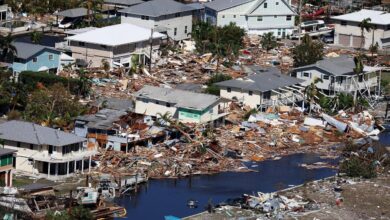
Hurricane Dorian downgraded to category 3 storm continues its assault on the Bahamas sets the stage for this enthralling narrative, offering readers a glimpse into a story that is rich in detail with personal blog style and brimming with originality from the outset. The storm, once a terrifying category 5, has brought devastation to the islands, leaving behind a trail of destruction and a population grappling with the aftermath.
From the initial warnings to the ongoing relief efforts, we’ll explore the human stories that unfolded as Dorian ripped through the Bahamas. We’ll delve into the challenges faced by the Bahamian people, the resilience they’ve shown, and the global response to this catastrophic event.
The Science Behind Hurricane Dorian

Hurricane Dorian, a storm that ravaged the Bahamas in 2019, exemplified the destructive power of nature. Its slow movement, prolonged intensity, and devastating impacts underscored the complexities of hurricane formation and the importance of understanding the science behind these powerful storms.
Factors Contributing to Dorian’s Formation and Intensification
Hurricane formation is a complex process that involves a confluence of atmospheric conditions. Warm ocean waters provide the necessary energy to fuel a storm’s development, while low wind shear allows for the storm’s vertical structure to remain intact. Dorian formed over the warm waters of the Atlantic Ocean, where sea surface temperatures were well above average. This provided the necessary heat and moisture to power the storm’s growth.
Additionally, the storm encountered minimal wind shear, allowing its central core to remain organized and intensify.
Scientific Principles Behind Dorian’s Track and Damage Potential
Hurricane tracks are influenced by a combination of factors, including the steering currents in the upper atmosphere, the Coriolis effect, and the interaction with nearby weather systems. Dorian’s slow movement was partly attributed to the presence of a high-pressure system to its north, which blocked its westward progress. The storm’s sustained intensity and prolonged duration over the Bahamas resulted in significant storm surge, heavy rainfall, and destructive winds, leading to widespread devastation.
The Role of Climate Change in Hurricane Frequency and Intensity
Climate change is projected to influence hurricane activity in several ways. Warmer ocean temperatures, fueled by global warming, provide a greater supply of energy for hurricanes to form and intensify. Rising sea levels, a consequence of climate change, exacerbate the impact of storm surge, further increasing the potential for damage. While attributing any single hurricane directly to climate change is complex, the overall trend of increasing hurricane intensity and frequency aligns with projections of a warming climate.
Data and Models Used to Predict Dorian’s Path and Intensity
Hurricane forecasting relies on a combination of data and sophisticated computer models. Satellites, weather balloons, and surface observations provide real-time information on atmospheric conditions, which are then fed into numerical models to simulate the storm’s behavior. These models, constantly being refined, provide valuable insights into a hurricane’s projected path, intensity, and potential impacts.
Challenges of Forecasting Hurricanes and Limitations of Current Models
Despite advancements in hurricane forecasting, predicting the exact path and intensity of a storm remains a challenging task. Factors like the complex interaction of atmospheric variables, the inherent variability of weather systems, and the limitations of current models contribute to uncertainties in forecasts. Ongoing research and technological advancements are continuously improving hurricane prediction capabilities, but uncertainties will always exist.
Hurricane Dorian: A Global Perspective: Hurricane Dorian Downgraded To Category 3 Storm Continues Its Assault On The Bahamas

Hurricane Dorian’s devastation transcended national borders, becoming a global tragedy that sparked a wave of international support and underscored the interconnectedness of our world. The storm’s impact highlighted the vulnerability of small island nations to extreme weather events and underscored the need for increased global cooperation in disaster preparedness and climate change mitigation.
International Response and Aid
The global community swiftly responded to the crisis, with numerous countries and organizations mobilizing resources to provide aid and support to the Bahamas.
- The United Nations launched a humanitarian appeal for $71.5 million to assist with the immediate relief efforts and long-term recovery.
- The United States, the United Kingdom, Canada, and other nations deployed military assets and personnel to assist with search and rescue operations, medical aid, and logistical support.
- International NGOs like the Red Cross, Save the Children, and Doctors Without Borders, among others, played a vital role in providing emergency relief, medical care, and shelter to those affected.
This international collaboration exemplified the global spirit of solidarity in times of crisis, showcasing the power of collective action in responding to humanitarian disasters.
Global Impact and Humanitarian Assistance
The devastation wrought by Hurricane Dorian extended beyond the Bahamas, impacting the global community in various ways.
- The storm’s destructive force triggered a large-scale displacement of people, leading to a surge in the need for humanitarian assistance.
- The storm’s impact on infrastructure and the economy of the Bahamas, a key tourism destination, had ripple effects on global tourism and trade.
- The storm’s devastation highlighted the vulnerability of small island nations to climate change and the need for global action to mitigate the risks of extreme weather events.
The global community was confronted with the stark reality of the consequences of climate change and the urgent need to address its impact.
Lessons Learned and Future Preparedness
Hurricane Dorian provided valuable lessons for disaster preparedness and response efforts worldwide.
- The storm underscored the importance of early warning systems and effective communication channels in disseminating timely and accurate information to the public.
- It highlighted the need for robust infrastructure and resilient communities to withstand the impacts of extreme weather events.
- The storm also demonstrated the critical role of international cooperation and collaboration in responding to global disasters.
These lessons serve as a roadmap for enhancing disaster preparedness and mitigation strategies, both at national and international levels.
Media Coverage and Public Awareness, Hurricane dorian downgraded to category 3 storm continues its assault on the bahamas
The media played a crucial role in covering Hurricane Dorian, providing vital information and raising public awareness about the storm’s impact.
- News organizations deployed reporters and photographers to the affected areas, offering firsthand accounts of the devastation and the challenges faced by survivors.
- Social media platforms served as important channels for sharing information, coordinating relief efforts, and connecting with those affected by the storm.
The media’s coverage played a significant role in shaping public understanding of the storm’s impact and galvanizing support for relief efforts.
Implications for Disaster Preparedness and Climate Change Mitigation
Hurricane Dorian served as a stark reminder of the growing threat posed by climate change and the need for proactive measures to mitigate its impact.
- The storm highlighted the urgency of reducing greenhouse gas emissions and investing in climate change adaptation strategies.
- It underscored the need for global collaboration to address the challenges posed by climate change and its consequences, including extreme weather events.
The global community must prioritize disaster preparedness and climate change mitigation efforts to build resilience and protect communities from the increasing threat of extreme weather events.
As the dust settles and the rebuilding process begins, the story of Hurricane Dorian remains a poignant reminder of the power of nature and the strength of the human spirit. The Bahamas face a long road to recovery, but with the unwavering support of the global community, the islands will rise again. This event serves as a stark reminder of the importance of preparedness and the need for a collective effort to address the growing threat of extreme weather events.
It’s a story of loss, but also of hope and resilience.
Hurricane Dorian, though downgraded to a Category 3 storm, continues its relentless assault on the Bahamas, leaving a trail of devastation in its wake. While the world watches with concern, it’s heartening to see acts of compassion like the president and first lady visiting victims and thanking first responders at Dayton hospital , reminding us of the resilience of the human spirit amidst tragedy.
The focus now remains on providing aid and support to those affected by Dorian’s wrath, and hopefully, the storm will soon lose its strength, allowing for the critical work of recovery to begin.
While Hurricane Dorian has thankfully downgraded to a Category 3 storm, its assault on the Bahamas continues, leaving a trail of destruction in its wake. The news of Dorian’s impact comes as we see a slowdown in hiring, with the jobs report showing inflation pressures elevated , which could further complicate the recovery efforts in the Bahamas. It’s a stark reminder of the challenges we face, both from natural disasters and economic uncertainties.
Hurricane Dorian, now downgraded to a Category 3 storm, continues its relentless assault on the Bahamas, leaving a trail of devastation in its wake. The news of the storm’s destruction comes amidst reports of ice raids on Mississippi food processing plants resulting in 680 arrests , highlighting the stark contrast between natural and man-made disasters. As the storm batters the Bahamas, the nation grapples with the immediate aftermath while facing the long road to recovery.