China Says It Will Sue the US Over Tariffs Through WTO
China says it will sue the US over tariffs through WTO – a move that’s sent ripples through the global economic landscape. This isn’t just another trade spat; it’s a potential showdown with far-reaching consequences for businesses, consumers, and international relations. The World Trade Organization (WTO) will be the battleground, and the outcome could reshape global trade for years to come.
We’ll dive into the details, exploring the legal arguments, economic impacts, and geopolitical implications of this high-stakes legal challenge.
This brewing legal battle highlights the escalating tensions between the US and China, two economic giants whose relationship profoundly impacts the global economy. The tariffs at the heart of the dispute have already caused significant disruption, and the WTO case promises to further complicate an already complex situation. We’ll examine the potential economic fallout for both countries, analyze the legal precedents involved, and consider the potential ramifications for international trade agreements and the future of global cooperation.
The WTO Dispute Settlement System: China Says It Will Sue The Us Over Tariffs Through Wto
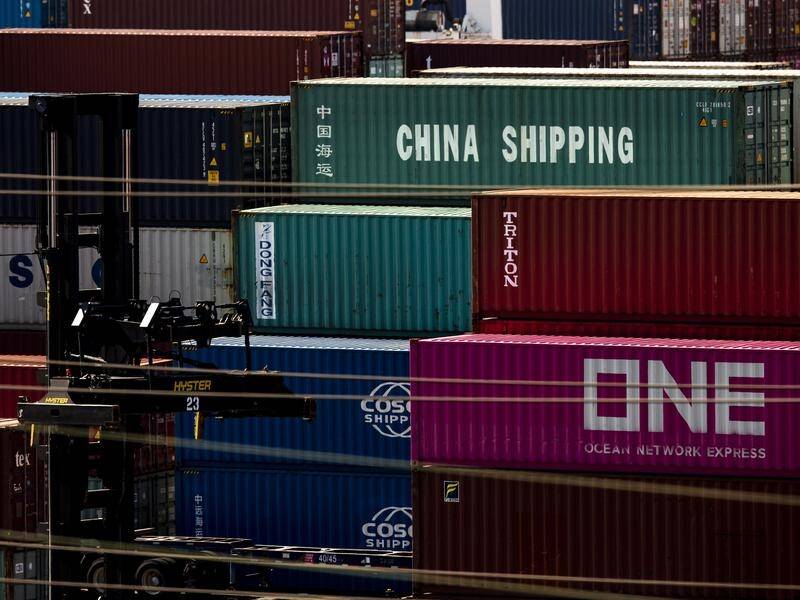
China’s announcement to sue the US over tariffs through the World Trade Organization (WTO) highlights the importance of understanding the WTO’s dispute settlement system. This system provides a framework for resolving trade disagreements between member countries, aiming to ensure a fair and predictable trading environment. While it’s a complex process, understanding its mechanics offers insight into the potential trajectory of this significant trade dispute.The Process of Filing a WTO Case: China’s StepsChina, as the complainant, would initiate the process by formally notifying the WTO and the US of its claim.
This involves submitting a detailed complaint outlining the specific tariffs it considers to be in violation of WTO rules, providing evidence to support its claims, and clearly stating the desired remedy. The US, as the respondent, would then have the opportunity to respond to these allegations. The WTO’s Dispute Settlement Body (DSB) would then establish a panel of experts to examine the case.
This panel would review the evidence, hear arguments from both sides, and issue a report containing its findings. The report would determine whether the US tariffs violate WTO rules and, if so, what remedies are appropriate.
WTO Dispute Resolution Timeline and Appeals
A typical WTO dispute resolution process can take several years. The panel’s investigation usually lasts around 9 months, followed by a period for consultations and potential appeals. Either side can appeal the panel’s ruling to the WTO’s Appellate Body, which reviews the legal interpretations and procedures of the panel report. This appeals process can add another year or more to the overall timeline.
Significant delays can arise due to the complexity of the issues, the volume of evidence, and the potential for appeals. For instance, the “Boeing-Airbus” dispute, a long-running trade battle involving subsidies to aircraft manufacturers, spanned over two decades due to multiple appeals and retaliatory measures.
Examples of Past WTO Tariff Disputes
Numerous tariff disputes have been resolved through the WTO’s system. One example is the case of
- US – Countervailing Duties on Certain Products from Brazil* (DS277). This case involved Brazil challenging US countervailing duties, a type of tariff imposed on imports to offset subsidies provided to foreign producers. The WTO panel ultimately ruled in favor of Brazil, finding that the US had failed to demonstrate the existence of sufficient subsidies to justify the tariffs.
This case illustrates the WTO’s ability to address disputes involving the application of countervailing duties, a type of tariff relevant to the China-US situation. Another example is the
- EC – Measures Affecting the Importation of Bananas* (DS27), which involved a complex dispute over EU import restrictions on bananas, ultimately highlighting the WTO’s power to challenge non-tariff barriers that have similar economic effects. These past cases offer valuable insights into the potential outcomes and timelines of the China-US tariff dispute, although each case is unique and hinges on specific details.
Hypothetical Timeline for the China-US Tariff Dispute, China says it will sue the us over tariffs through wto
Considering the complexities of the China-US trade relationship and the length of past WTO disputes, a realistic timeline for this case could span three to five years. This includes:* Year 1-2: Panel establishment, evidence submission, hearings, and panel report issuance.
Year 2-3
Appeals process, if either side chooses to appeal.
Year 3-5
Implementation of the ruling, potential further negotiations, and possible retaliatory measures if the losing party doesn’t comply. Delays could arise from political considerations, the complexity of the legal arguments, and the potential for further negotiations. The outcome remains uncertain, depending on the evidence presented, the interpretations of the WTO panel and Appellate Body, and the willingness of both sides to comply with the ruling.
The ultimate resolution might involve a compromise, modification of the tariffs, or full removal, as seen in other cases. However, the possibility of protracted legal battles and continued trade tensions cannot be ruled out.
The upcoming WTO case between China and the US over tariffs is more than just a legal battle; it’s a pivotal moment in the ongoing reshaping of the global economic order. The outcome will not only determine the fate of these specific tariffs but could also set precedents that influence future trade disputes and relationships between nations. It’s a situation demanding close attention, as the repercussions will undoubtedly be felt far beyond the courtroom.
The coming months and years will be crucial in observing how this dispute unfolds and its impact on the global trade system.
China’s WTO lawsuit against the US over tariffs is a major development, highlighting escalating trade tensions. It’s a whole different ballgame compared to the bombshell dropped by Elon Musk, who alleges, as reported in this article boom elon musk alleges ftx ceo sam bankman fried donated over 1 billion to democrats , that FTX’s Sam Bankman-Fried donated over a billion dollars to Democrats.
This political scandal adds another layer of complexity to the already fraught global economic landscape, further complicating the China-US trade dispute.
China’s WTO lawsuit against the US over tariffs is a big deal, highlighting escalating trade tensions. It makes you wonder if these kinds of drawn-out legal battles, like the one described in this article about the DOJ and Trump – ex fbi intelligence chief says doj has no case against trump – are ultimately more costly than just finding common ground.
The WTO case could set a precedent for future trade disputes, potentially impacting global economic stability.
China’s WTO lawsuit against the US over tariffs is a big deal, impacting global trade significantly. This kind of trade dispute often has ripple effects, even influencing domestic policy decisions within agencies like the department of the interior , which might need to adjust resource allocation or regulations in response to shifting economic conditions. Ultimately, the outcome of China’s legal challenge will heavily influence future US trade relations and global economic stability.