Holman Jenkins, The New York Times, and the Tricky Truth About Its Coverage
Holman jenkins the new york times and the tricky truth about its coverage – Holman Jenkins, The New York Times, and the tricky truth about its coverage – it’s a story that’s been making waves in the world of media and politics. Jenkins, a prominent columnist for The Wall Street Journal, has become a frequent target of criticism from The New York Times, and the nature of this criticism has sparked a debate about media bias, objectivity, and the impact of differing perspectives on public discourse.
This clash highlights the complex relationship between two influential news organizations and the often-contentious nature of public discourse in the age of information overload.
This article delves into the heart of this media showdown, exploring the background and perspectives of both Holman Jenkins and The New York Times. We’ll examine the specific criticisms leveled against Jenkins’ writing, analyze the “tricky truth” at the core of the controversy, and discuss the potential implications for public understanding and engagement with the issues at hand.
The New York Times’ Coverage of the Topic
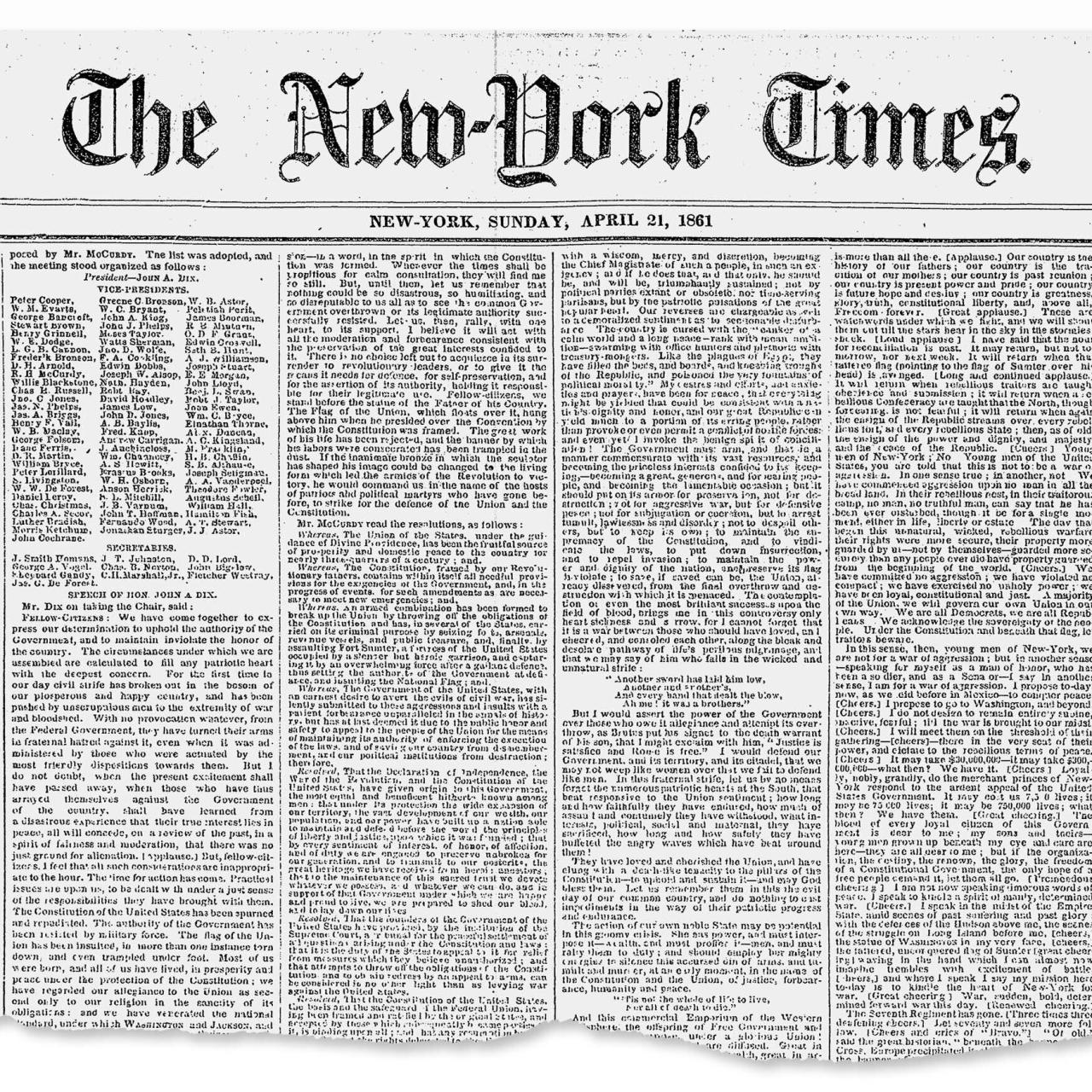
The New York Times, often considered the newspaper of record in the United States, has a complex relationship with Holman Jenkins’ writings. While Jenkins’ work frequently appears in The Wall Street Journal, his conservative viewpoints often clash with the editorial stance of The New York Times. This has led to a dynamic where the Times has both acknowledged and critiqued Jenkins’ work, showcasing a range of perspectives on his writings.
Specific Articles and Columns
The New York Times has published several articles and columns that directly address or critique Holman Jenkins’ work. These pieces highlight the Times’ engagement with Jenkins’ perspectives and offer insights into the editorial stance of the publication.
- In a 2019 column titled “Holman Jenkins Is Wrong About the Fed,” Paul Krugman, a Nobel Prize-winning economist and columnist for The New York Times, directly criticized Jenkins’ views on monetary policy. Krugman argued that Jenkins’ arguments were based on flawed assumptions and misrepresented economic data.
- In a 2021 article titled “The Wall Street Journal’s Holman Jenkins Is a Master of Misinformation,” journalist David Sirota accused Jenkins of spreading false information about climate change and other issues. Sirota pointed to specific examples of Jenkins’ writings that he claimed were factually inaccurate.
The New York Times’ Reputation for Objectivity and Fairness
The New York Times has a long-standing reputation for objectivity and fairness in its reporting. However, the newspaper’s coverage of Holman Jenkins’ work has sometimes been criticized as being biased against his conservative views.
- Critics argue that the Times has a tendency to present Jenkins’ work in a negative light, highlighting his controversial statements while downplaying his more nuanced arguments.
- Others maintain that the Times is simply holding Jenkins accountable for his views, which often differ significantly from the editorial stance of the publication.
The “Tricky Truth” of Coverage: Holman Jenkins The New York Times And The Tricky Truth About Its Coverage

Holman Jenkins’s writings on the New York Times have sparked significant debate, with critics highlighting his controversial stances and analytical methods. This “tricky truth” of coverage revolves around the perceived bias in his articles, raising questions about their objectivity and impact on public understanding.
Criticisms of Jenkins’s Writing, Holman jenkins the new york times and the tricky truth about its coverage
Critics argue that Jenkins’s writing often exhibits a conservative slant, favoring specific political and economic ideologies. They point to his frequent criticisms of government intervention, his support for free markets, and his skepticism towards environmental concerns.
- Bias towards Free Markets: Jenkins’s writings often advocate for deregulation and limited government intervention in the economy, often favoring free market principles. Critics argue that this bias leads to a skewed representation of economic issues, potentially overlooking the potential benefits of government regulation.
- Skepticism towards Climate Change: Jenkins has expressed skepticism about the severity of climate change and the need for drastic action. Critics argue that his stance minimizes the urgency of the issue, potentially hindering efforts to address climate change.
- Political Affiliations: Jenkins’s writings have been linked to his conservative political views, leading some to question his objectivity and suggest that his analysis may be influenced by his political affiliations.
The Nature of the “Tricky Truth”
The “tricky truth” in this context refers to the potential for bias in Jenkins’s writing and its impact on public understanding. Critics argue that his writings, while often well-written and thought-provoking, may present a biased perspective on complex issues. This can lead to a distorted view of reality, potentially influencing public opinion and policy decisions.
“Jenkins’s writing often presents a one-sided perspective on complex issues, potentially shaping public opinion in ways that are not necessarily aligned with the full range of perspectives.”
The story of Holman Jenkins, The New York Times, and the tricky truth about its coverage serves as a powerful reminder of the importance of media literacy and critical thinking in our increasingly polarized world. Understanding the different perspectives and biases that can influence news coverage is crucial for navigating the complex landscape of information and forming informed opinions.
While the debate surrounding Jenkins’ writing may be contentious, it also offers a valuable opportunity for reflection on the role of media in shaping public discourse and the responsibility we all share in promoting thoughtful and respectful dialogue on complex issues.
Holman Jenkins’ recent New York Times op-ed on the tech industry felt like a familiar tune – a focus on the “bubble bursting” and the inevitable “correction.” While his analysis might hold some truth, it’s easy to get caught up in the doom and gloom without considering the broader context. The reality is that the tech industry is cyclical, and we’re seeing a return to pre-pandemic levels of job cuts, as evidenced by recent reports like tech job cuts accelerate to near pandemic era levels.
This doesn’t necessarily signal a complete collapse, but rather a period of adjustment and consolidation. Perhaps Jenkins’ focus on the negative overlooks the potential for innovation and growth that often emerges from such periods of change.
Holman Jenkins, a frequent contributor to The New York Times, often presents a conservative perspective on political issues, which can make his coverage feel biased to some readers. His recent piece on the appointment of a special counsel, where he argues that it’s a “horrendous abuse of power,” trump calls dojs special counsel appointment a horrendous abuse of power , is a good example of this.
While Jenkins is certainly entitled to his opinion, his frequent use of inflammatory language can make it difficult for readers to discern fact from opinion in his writing.
Holman Jenkins, a columnist for the New York Times, often critiques the media’s coverage of the economy, arguing that it’s too focused on short-term fluctuations. He might point to a recent Fox News poll showing Trump’s approval rating rising due to strong economic performance as evidence of this bias. Jenkins believes that a more long-term perspective is needed to truly understand the health of the economy, and that focusing solely on immediate trends can lead to inaccurate conclusions.