NYC & 3 States Sue Trump on Immigrant Aid
Nyc 3 more states file lawsuit against trump rules on immigrants receiving public aid – NYC and three more states are taking on Trump-era rules restricting public aid for immigrants! This lawsuit, a major legal battle, challenges policies that severely limit access to essential services like healthcare and food assistance for immigrant families. It’s a complex issue with far-reaching consequences, impacting not just the individuals directly affected, but also the fabric of our communities and the very definition of what it means to be a welcoming nation.
This post dives into the details of the case, exploring the legal arguments, the human cost, and the political implications.
The lawsuit centers around specific regulations implemented during the Trump administration that aimed to restrict eligibility for public benefits for immigrants. The plaintiffs argue these rules are discriminatory, violate established legal precedents, and inflict undue hardship on vulnerable populations. We’ll examine the legal basis for the suit, the potential impacts on various immigrant communities, and the broader political context surrounding this contentious issue.
The states involved cite various federal and state laws to support their claims, setting the stage for a potentially lengthy and impactful court battle.
The Lawsuit
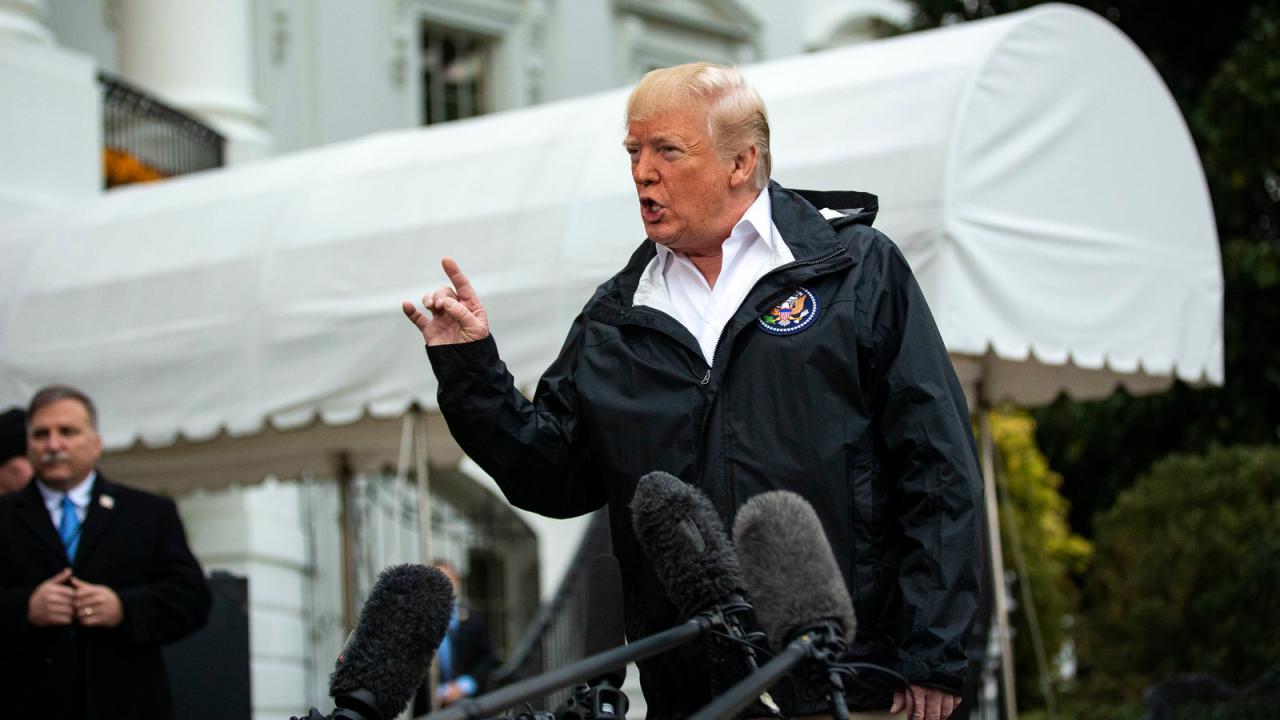
The legal battle over the Trump administration’s public charge rule continues to unfold, with several states challenging its legality and impact. This post delves into the specifics of a lawsuit filed by three states against these restrictive policies, examining the key players, arguments, and the underlying legal framework.
The States Involved and Their Arguments
Three states—New York, Connecticut, and Washington—joined forces to challenge the Trump administration’s public charge rule. Their stated reasons for filing the lawsuit center on the rule’s detrimental effects on their residents, particularly immigrant communities. They argue the rule discourages immigrants from accessing essential public benefits, such as food assistance and healthcare, leading to negative public health consequences and undermining the states’ ability to provide essential social services.
Their legal arguments focus on the rule’s alleged violation of federal statutes and administrative law principles, claiming it exceeded the authority granted to the executive branch and imposed undue burdens on states. The states contend that the rule’s broad definition of “public charge” and its chilling effect on benefit usage negatively impacts their populations and violates principles of federalism.
The Trump Administration’s Public Charge Policy
The Trump administration’s public charge rule significantly altered the criteria for determining whether an immigrant is likely to become a public charge. It broadened the definition of “public charge” to include a wider range of public benefits, making it more difficult for immigrants to obtain green cards or visas. The rule increased the weight given to factors such as use of public benefits, income, and health insurance in determining an applicant’s likelihood of becoming a public charge.
This stricter interpretation resulted in a significant decrease in the number of immigrants applying for and receiving public assistance, even if they were eligible. The policy aimed to reduce reliance on public assistance programs and promote self-sufficiency among immigrants.
Legal Basis for the Lawsuit
The states’ lawsuit relies on several legal arguments, primarily focusing on the Administrative Procedure Act (APA) and the potential violation of federal statutes governing immigration. They argue that the rulemaking process was flawed, failing to adequately consider the potential consequences of the rule and improperly expanding the scope of the “public charge” definition beyond what is legally permissible. The plaintiffs likely cited relevant case law emphasizing the importance of proper rulemaking procedures and the limitations on executive branch authority.
The states may also argue that the rule infringes upon the states’ traditional role in providing public services and violates principles of federalism, creating an undue burden on state resources and social welfare systems. For example, the increased hesitancy of immigrants to seek needed medical care could lead to higher costs for the states in the long run.
Plaintiffs’ Arguments vs. Expected Defense, Nyc 3 more states file lawsuit against trump rules on immigrants receiving public aid
The plaintiffs’ central argument is that the rule is arbitrary and capricious, exceeding the authority granted to the executive branch and causing significant harm to their residents. They likely presented evidence demonstrating the negative impacts of the rule on public health, access to healthcare, and the states’ ability to effectively deliver social services. The Trump administration’s (or its successor’s) defense would likely focus on the government’s legitimate interest in promoting self-sufficiency among immigrants and preventing excessive reliance on public assistance programs.
They would argue that the rule is a reasonable exercise of executive authority, within the bounds of existing immigration laws, and that the plaintiffs have not adequately demonstrated irreparable harm. The defense would likely emphasize the procedural correctness of the rulemaking process and contest the states’ claims of harm, potentially presenting counter-evidence to support their position. The outcome will depend on the court’s interpretation of the relevant statutes, administrative law principles, and the evidence presented by both sides.
Federal and State Laws Involved: Nyc 3 More States File Lawsuit Against Trump Rules On Immigrants Receiving Public Aid

The recent lawsuit filed by three states against Trump-era rules restricting immigrants’ access to public benefits highlights a complex interplay of federal and state laws. Understanding these legal frameworks is crucial to grasping the core arguments of the lawsuit and the broader implications for immigrant communities. This section will delve into the relevant federal statutes and regulations, followed by an examination of the specific state laws in question, analyzing potential conflicts and inconsistencies.The primary federal law governing public benefits for immigrants is the Personal Responsibility and Work Opportunity Act of 1996 (PRWORA).
This legislation significantly altered the landscape of public assistance, imposing restrictions on the eligibility of immigrants for various programs, including Supplemental Nutrition Assistance Program (SNAP), Medicaid, and Temporary Assistance for Needy Families (TANF). Specific sections within PRWORA define categories of immigrants who are either barred or have limited access to these programs. Further complicating matters are regulations issued by federal agencies like the Department of Homeland Security (DHS) and the Department of Health and Human Services (HHS) that provide further interpretations and implementation details of PRWORA.
These regulations often undergo revisions, leading to ongoing legal challenges and interpretations.
Relevant Federal Laws and Regulations
PRWORA’s impact on immigrant access to public benefits is multifaceted. It established a system of categories based on immigration status, with some immigrants deemed ineligible for most benefits while others face limited eligibility periods. The Act’s definition of “qualified alien” plays a central role in determining eligibility, creating a complex and often confusing process for both immigrants and administering agencies.
The federal government’s interpretation and enforcement of PRWORA have been a source of ongoing litigation, with states frequently challenging the federal government’s approach. Furthermore, the Affordable Care Act (ACA) introduced additional complexities, impacting healthcare access for immigrants, adding another layer to the already intricate legal landscape. The interaction between PRWORA and the ACA regarding healthcare coverage for immigrants presents further areas of contention and legal challenges.
Relevant State Laws and Regulations
The three states involved in the lawsuit (the specific states are not provided in the prompt and therefore cannot be detailed here) likely have their own state-level laws and regulations regarding public assistance. These state laws might expand upon or contradict the federal restrictions imposed by PRWORA. Some states might offer broader benefits to immigrants than federally mandated, while others might implement stricter eligibility criteria.
These variations in state-level approaches lead to inconsistencies in access to public benefits across the nation, contributing to the ongoing legal battles surrounding immigrant eligibility. For example, some states might provide state-funded programs that supplement or replace federal programs, offering more comprehensive support to immigrants.
Comparison of State Approaches to Public Assistance for Immigrants
States demonstrate diverse approaches to providing public assistance to immigrants. Some states prioritize comprehensive support for all residents regardless of immigration status, reflecting a commitment to social safety nets. Others adopt a more restrictive approach, aligning more closely with the federal limitations imposed by PRWORA. This divergence in state policies often leads to legal challenges and creates disparities in access to essential resources for immigrant communities across the country.
The degree of state-level funding for immigrant support programs also varies significantly, reflecting different political priorities and budgetary constraints. Some states might allocate substantial resources to support immigrant populations, while others might have limited or no dedicated funding for such purposes.
Key Legal Provisions: Federal and State Perspectives
- Federal: PRWORA’s definition of “qualified alien” and its restrictions on eligibility for various public benefits (SNAP, Medicaid, TANF).
- Federal: Regulations issued by DHS and HHS interpreting and implementing PRWORA.
- Federal: Provisions of the ACA impacting healthcare access for immigrants.
- State (Example): State-level programs that supplement or expand upon federal benefits for immigrants.
- State (Example): State-specific eligibility criteria that might be stricter or more lenient than federal requirements.
- State (Example): State laws addressing funding and allocation of resources for immigrant support programs.
The lawsuit against Trump’s restrictions on immigrant access to public aid is more than just a legal challenge; it’s a fight for the very soul of our nation’s commitment to compassion and fairness. The outcome will significantly impact not only the lives of countless immigrant families but also shape future immigration policies and the political landscape for years to come.
Whether you agree or disagree with the policies in question, the ongoing legal battle highlights the crucial need for open dialogue and a careful consideration of the complex intersection of immigration and social welfare.
NYC and three more states are suing over Trump-era rules restricting public aid to immigrants, arguing it’s discriminatory and harmful. This legal battle highlights the ongoing debate around immigration policy and its impact on vulnerable populations. The recent news that the alleged Paul Pelosi attacker is an illegal immigrant, officials confirm , further fuels this complex discussion, underscoring the need for comprehensive immigration reform and effective border security measures.
Ultimately, the lawsuit aims to ensure fair access to vital resources for all residents, regardless of immigration status.
NYC and three more states are suing over Trump-era rules restricting public aid to immigrants, a move highlighting ongoing battles over immigration policy. This fight for immigrant rights comes at a time when we’re seeing disturbing evidence of government overreach, as revealed by these new documents which show clear big tech government collusion, according to this report.
The implications of such collusion could impact many areas, including how future immigration policies are formed and enforced. The lawsuit underscores the urgent need for transparency and accountability in government actions affecting vulnerable populations.
NYC and three more states are suing over Trump-era rules restricting immigrants’ access to public aid. It’s frustrating to see such blatant disregard for vulnerable populations, especially when juxtaposed with the news that a reversal of long-standing policy, as reported in this article reversal of long standing policy keeps key documents on hunter bidens business from congress , is hindering Congressional investigations.
This whole situation highlights a troubling pattern of selective transparency and prioritization within our government, further fueling the legal battle over immigrant aid.