Boris Johnsons Ruthless Push for Brexit
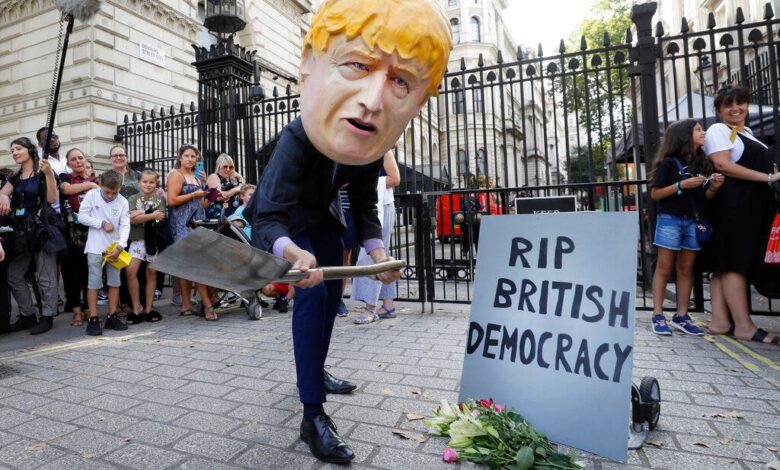
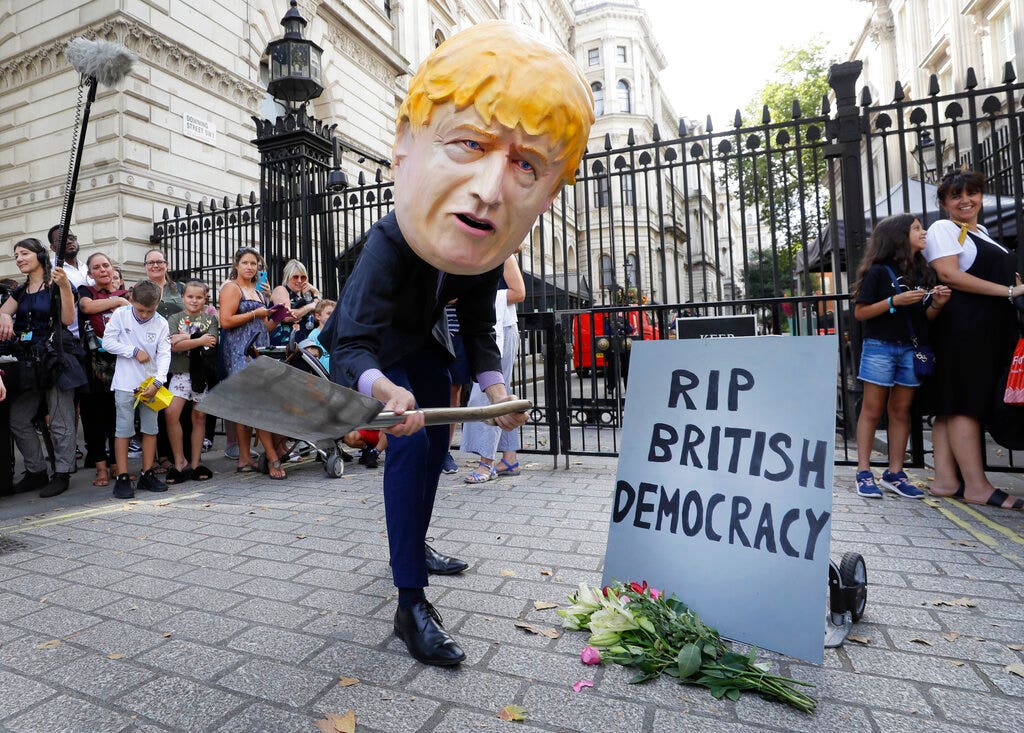
Bumbling boris johnson shows his ruthless streak with dramatic step closer to sealing brexit – Bumbling Boris Johnson shows his ruthless streak with a dramatic step closer to sealing Brexit. While often portrayed as a bumbling figure, Johnson has proven his political savvy in navigating the complex landscape of Brexit negotiations. His recent actions, however, have revealed a more decisive and uncompromising side, leaving many questioning his motivations and the potential consequences for the UK’s future.
This move has sparked intense debate, with supporters hailing it as a necessary step to secure the UK’s independence, while critics warn of the potential economic and social ramifications. As the UK inches closer to a final Brexit deal, the spotlight falls on Johnson’s leadership and the legacy he will leave behind.
Historical Context: Bumbling Boris Johnson Shows His Ruthless Streak With Dramatic Step Closer To Sealing Brexit
The UK’s relationship with the EU is a complex and multifaceted one, spanning decades and marked by both cooperation and conflict. Understanding this historical context is crucial for grasping the current situation surrounding Brexit and its potential implications. The UK’s journey with the EU began in 1973, when it joined the European Economic Community (EEC), the precursor to the European Union.
This decision was driven by a desire to integrate into the European market, boost trade, and secure economic prosperity. However, the UK’s membership was never without controversy, with a persistent undercurrent of skepticism towards European integration. This skepticism was fueled by concerns about national sovereignty, cultural identity, and the perceived loss of control over domestic policy.
Key Events and Turning Points
The UK’s relationship with the EU was shaped by a series of key events and turning points.
- 1975 Referendum: A referendum was held on the UK’s continued membership of the EEC, with a majority voting to remain. This solidified the UK’s commitment to European integration for the time being.
- 1992 Maastricht Treaty: The Maastricht Treaty established the European Union, expanding its scope beyond economic integration to include political and social cooperation. While the UK participated in the negotiations, it opted out of certain aspects of the treaty, such as the single currency (the euro). This decision reflected the UK’s desire to maintain its own economic and monetary sovereignty.
- 2016 Brexit Referendum: A referendum was held on the UK’s membership of the EU, with a narrow majority voting to leave. This outcome marked a significant turning point in the UK’s relationship with the EU, leading to a period of uncertainty and political turmoil.
The Broader Narrative of Brexit
Brexit can be understood as the culmination of a long-running debate within the UK about its role in Europe. The debate has been fueled by a range of factors, including economic anxieties, concerns about immigration, and a desire to regain control over national sovereignty. The 2016 referendum reflected the deep divisions within British society over the UK’s relationship with the EU.
Potential Impact on the UK’s Future Relationship with the EU, Bumbling boris johnson shows his ruthless streak with dramatic step closer to sealing brexit
Johnson’s actions, particularly his insistence on a “no-deal” Brexit, have the potential to significantly impact the UK’s future relationship with the EU. A “no-deal” scenario would result in a sudden and abrupt break from the EU, potentially leading to economic disruption, trade barriers, and increased border controls. This could have significant consequences for businesses, individuals, and the overall economy.
The implications of Johnson’s actions extend far beyond the immediate Brexit negotiations. They raise fundamental questions about the future of the UK’s relationship with the EU, the role of leadership in times of crisis, and the potential for political polarization in a deeply divided society. The final chapter of this saga remains to be written, but one thing is certain: Boris Johnson’s ruthless pursuit of Brexit will leave a lasting impact on the UK’s political landscape.
Boris Johnson’s relentless pursuit of Brexit, even amidst accusations of bumbling incompetence, highlights a ruthless streak often overlooked. It’s a stark contrast to the recent revelations about Twitter’s secret blacklists, uncovered by Elon Musk’s release of the Twitter files. These revelations raise serious questions about free speech and censorship, issues that seem to be lost in the whirlwind of Johnson’s Brexit campaign.
Boris Johnson’s recent move towards sealing Brexit might seem ruthless, but it’s a stark contrast to the sentiment in the US where nearly 80 percent of Americans, including most Democrats, oppose puberty blockers for minors. This shows how different political climates can lead to vastly different approaches to complex issues, even when those issues seem to touch on similar moral concerns.
Boris Johnson’s ruthless streak in pushing Brexit forward is a stark contrast to the economic uncertainty gripping the tech industry, where tech job cuts accelerate to near pandemic era levels. While Johnson seems to be playing a long game, betting on a post-Brexit future, the tech sector is grappling with immediate anxieties. It’s a stark reminder that while political maneuvers can be bold and decisive, the real world is often more nuanced and uncertain.